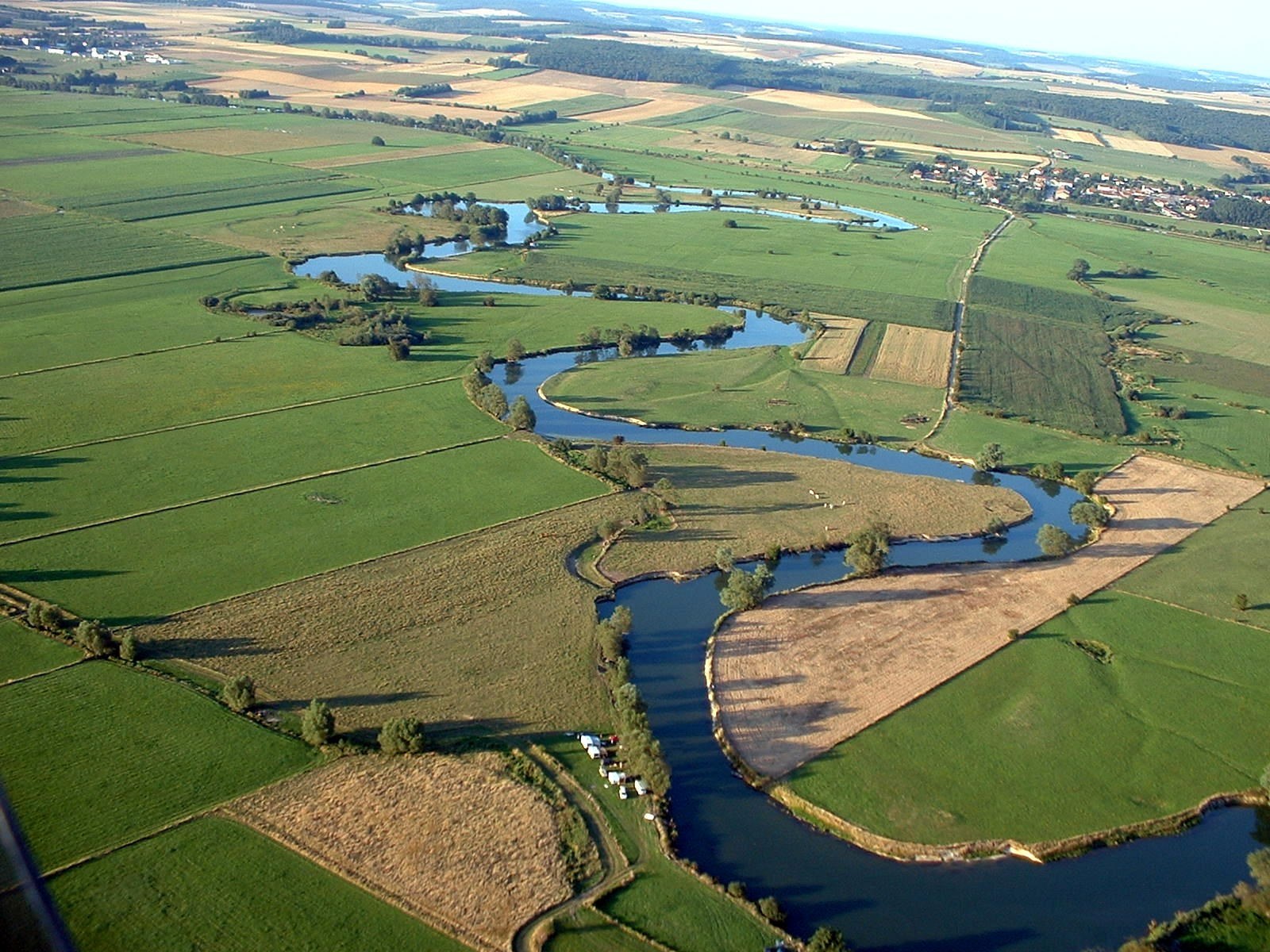
Fleuve meuse natura 2000

Join the Alliance!

Through this form you can register your action(s) for biodiversity and become a member of the BBA network. Your action should be linked to one or more objectives of the BBA. Before you fill out the form, it is recommended that you read the explanation of the objective via this link.

After submitting the form, an account will be created so you can further customize your engagement page if needed. The page will be published after the approval of the BBA. If you want to add a second project, you can only create it through your account.

Please provide us with your personal details

Tell us more about your project or engagement

Location
 
Main objective
  • By 2030, 120 000 hectares of urban and peri-urban areas are net-positive for biodiversity. More info


  • By 2030, 1500 buildings and 20% of the urban and peri-urban infrastructures are net-positive for biodiversity. More info


  • By 2030, 2000 bed & breakfasts for wild pollinators are available in urban and peri-urban areas. More info


  • By 2030, 1000 nature-based solutions are applied in urban and peri-urban areas to address in particular water management, soil degradation and climate change adaptation and mitigation. More info


  • By 2030, 4000 km of linear infrastructures between urban and peri-urban areas and 10 000 km of landscape elements are managed to enhance ecological connectivity across the territory. More info


  • By 2030, 8 000 000t/y of crops and 3 500 000 t/y of animal products available on the Belgian market are locally produced with at least neutral impact on biodiversity. More info


  • By 2030, 500 000 hectares of primary production in Belgium have at least a neutral impact on biodiversity. More info


  • By 2030, 38 500 000 tons/year of imported primary commodities in Belgium have at least a neutral impact on biodiversity. More info


  • By 2030, 435 000 tons/y of surplus food is either consumed, recovered or redistributed. More info


  • By 2030, 150 public and private entities take biodiversity risks and opportunities into account in their strategies and their financial flows are oriented towards biodiversity-friendly projects. More info


Second objective
  • By 2030, 120 000 hectares of urban and peri-urban areas are net-positive for biodiversity. More info


  • By 2030, 1500 buildings and 20% of the urban and peri-urban infrastructures are net-positive for biodiversity. More info


  • By 2030, 2000 bed & breakfasts for wild pollinators are available in urban and peri-urban areas. More info


  • By 2030, 1000 nature-based solutions are applied in urban and peri-urban areas to address in particular water management, soil degradation and climate change adaptation and mitigation. More info


  • By 2030, 4000 km of linear infrastructures between urban and peri-urban areas and 10 000 km of landscape elements are managed to enhance ecological connectivity across the territory. More info


  • By 2030, 8 000 000t/y of crops and 3 500 000 t/y of animal products available on the Belgian market are locally produced with at least neutral impact on biodiversity. More info


  • By 2030, 500 000 hectares of primary production in Belgium have at least a neutral impact on biodiversity. More info


  • By 2030, 38 500 000 tons/year of imported primary commodities in Belgium have at least a neutral impact on biodiversity. More info


  • By 2030, 435 000 tons/y of surplus food is either consumed, recovered or redistributed. More info


  • By 2030, 150 public and private entities take biodiversity risks and opportunities into account in their strategies and their financial flows are oriented towards biodiversity-friendly projects. More info


Third objective
  • By 2030, 120 000 hectares of urban and peri-urban areas are net-positive for biodiversity. More info


  • By 2030, 1500 buildings and 20% of the urban and peri-urban infrastructures are net-positive for biodiversity. More info


  • By 2030, 2000 bed & breakfasts for wild pollinators are available in urban and peri-urban areas. More info


  • By 2030, 1000 nature-based solutions are applied in urban and peri-urban areas to address in particular water management, soil degradation and climate change adaptation and mitigation. More info


  • By 2030, 4000 km of linear infrastructures between urban and peri-urban areas and 10 000 km of landscape elements are managed to enhance ecological connectivity across the territory. More info


  • By 2030, 8 000 000t/y of crops and 3 500 000 t/y of animal products available on the Belgian market are locally produced with at least neutral impact on biodiversity. More info


  • By 2030, 500 000 hectares of primary production in Belgium have at least a neutral impact on biodiversity. More info


  • By 2030, 38 500 000 tons/year of imported primary commodities in Belgium have at least a neutral impact on biodiversity. More info


  • By 2030, 435 000 tons/y of surplus food is either consumed, recovered or redistributed. More info


  • By 2030, 150 public and private entities take biodiversity risks and opportunities into account in their strategies and their financial flows are oriented towards biodiversity-friendly projects. More info


*

  • Surface in m² of urban and peri-urban areas

buildings or infrastructure

  • Number of buildings or infrastructure with a net positive impact on biodiversity

Bed & Breakfasts

  • Number of Bed & Breakfasts for pollinators

nature-based solutions

  • Number of nature-based solutions that are applied in urban and peri-urban areas to address in particular water management, soil degradation and climate change adaptation and mitigation

kilometers

  • Number of kilometers of linear infrastructures between urban and peri-urban areas or number of kilometers of landscape elements that are created or managed to enhance ecological connectivity across the territory

kilogram

  • Weight in kilogram of animal products available on the Belgian market that are locally produced with at least neutral impact on biodiversity

  • Surface in m² of primary production areas with a neutral impact in terms of biodiversity.

kg

  • Weight in kg of imported primary products produced with at least a neutral impact on biodiversity

kilograms

  • Weight in kilograms of surplus food consumed, recovered or redistributed

public and private entities

  • Number of public and private entities taking biodiversity into account in their strategy

  • Surface in m² of urban and peri-urban areas


buildings or infrastructure

  • Number of buildings or infrastructure with a net positive impact on biodiversity


Bed & Breakfasts

  • Number of Bed & Breakfasts for pollinators


nature-based solutions

  • Number of nature-based solutions that are applied in urban and peri-urban areas to address in particular water management, soil degradation and climate change adaptation and mitigation


kilometers

  • Number of kilometers of linear infrastructures between urban and peri-urban areas or number of kilometers of landscape elements that are created or managed to enhance ecological connectivity across the territory


kilogram

  • Weight in kilogram of animal products available on the Belgian market that are locally produced with at least neutral impact on biodiversity


  • Surface in m² of primary production areas with a neutral impact in terms of biodiversity.


kg

  • Weight in kg of imported primary products produced with at least a neutral impact on biodiversity


kilograms

  • Weight in kilograms of surplus food consumed, recovered or redistributed


public and private entities

  • Number of public and private entities taking biodiversity into account in their strategy


  • Surface in m² of urban and peri-urban areas


buildings or infrastructure

  • Number of buildings or infrastructure with a net positive impact on biodiversity


Bed & Breakfasts

  • Number of Bed & Breakfasts for pollinators

nature-based solutions

  • Number of nature-based solutions that are applied in urban and peri-urban areas to address in particular water management, soil degradation and climate change adaptation and mitigation

kilometers

  • Number of kilometers of linear infrastructures between urban and peri-urban areas or number of kilometers of landscape elements that are created or managed to enhance ecological connectivity across the territory

kilogram

  • Weight in kilogram of animal products available on the Belgian market that are locally produced with at least neutral impact on biodiversity

  • Surface in m² of primary production areas with a neutral impact in terms of biodiversity.

kg

  • Weight in kg of imported primary products produced with at least a neutral impact on biodiversity

kilograms

  • Weight in kilograms of surplus food consumed, recovered or redistributed

public and private entities

  • Number of public and private entities taking biodiversity into account in their strategy

*
*
*
*
*
*
*
Upload pictures or a file
No file selected