By 2030, 1000 nature-based solutions are applied in urban and peri-urban areas to address in particular water management, soil degradation and climate change adaptation and mitigation
Key objective : This objective specifically aims to address challenges related to climate change adaptation and mitigation, water management and soil degradation in cities by using nature-based solutions and in doing so to strengthen the urban and peri-urban green-blue network.
Nature-based solutions are actions to protect, conserve, restore, sustainably use and manage natural or modified terrestrial, freshwater, coastal and marine ecosystems which address social, economic and environmental challenges effectively and adaptively, while simultaneously providing human well-being, ecosystem services, resilience and biodiversity benefits.[1]
Nature-based solutions restore natural and modified ecosystems for their biodiversity values and address societal challenges such as climate change or natural disasters. In particular urban and peri-urban areas will be heavily affected by climate change, given the stronger impact of heat waves, water shortage, water floods, air pollution, etc.
Applying nature-based solutions specifically in urban and peri-urban areas will support urban biodiversity while addressing several of these challenges and enhance the resilience of cities as well as the well-being of its citizens. Such actions will contribute to several goals regarding climate change adaptation and mitigation, water management, regulating floods, water purification and retention, reducing gas emissions and air purification, enhancing the CO2 storage capacity in soil, wetlands and forests, etc. as well as public health.
[1] UNEP/EA.5/Res.5
What is to be achieved?
- Restoration and conservation of biodiversity
- Restoration and enhancement of the connectivity of the ecological network
- (Re)naturalisation of urban and peri-urban areas and reduced concrete surfaces in urban and peri-urban areas
- Integration of biodiversity considerations in spatial planning
- Promotion of using nature for tackling societal challenges
- Improved water management, fight against soil erosion, enhanced climate change adaptation and mitigation
- Maximising synergies and optimising co-benefits
Criteria to be reflected by the voluntary engagements:
- Use nature/natural processes that support biodiversity to address the challenges related to climate change, water management (including flood management) and land degradation
- Have respect for and/or improve the specific environmental and ecological characteristics of the area (e.g. the topography, the type of landscape, the local plant and animal life, ...)
- Incorporate those natural processes into the surrounding area and environment
- Implement those natural processes in a way that is consistent with other actions undertaken to address these challenges (e.g. rehabilitate native plant species around water amenities that are set up to improve water management, ...)
- Strengthen ecological connectivity between nature-based solutions and surrounding natural areas
Want to join this commitment?
Are you also ready to take action? Join this cause and help us reach our goal.
Aquafin -Make stormwater runoff from service buildings more sustainable
There are also many service buildings within Aquafin's patrimony. With this project, we want to ensure that whenever one of our service buildings is up for renovation, the water management is critically reviewed and a cost-benefit analysis is carried out to consider whether it is opportune to implement green and blue measures such as wadis, infiltration basins, or infiltration trenches to locally infiltrate runoff rainwater.
View story
Aquafin -Enhancing local biodiversity
Aquafin has more than 200 wastewater treatment plants in Flanders. Since 2021, all these plants are being converted into fully biodiverse locations and maintained as such. This project involves 400 hectares, and we have achieved this through a global and uniform approach.
View story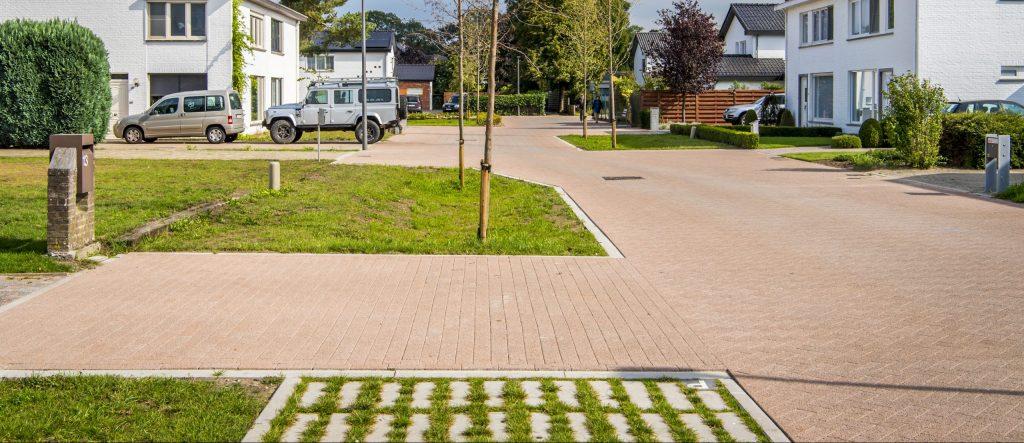
Aquafin - Streets in Turnhout
The streets Zilverberkstraat and Leeuwerikstraat form an existing part of the town, but were completely redone. An ideal opportunity to rethink the approach to stormwater. There were quite a few challenges: the area has a high water table and the soil is poorly permeable. However, for this project we aimed at complete infiltration of stormwater in a green way.
View story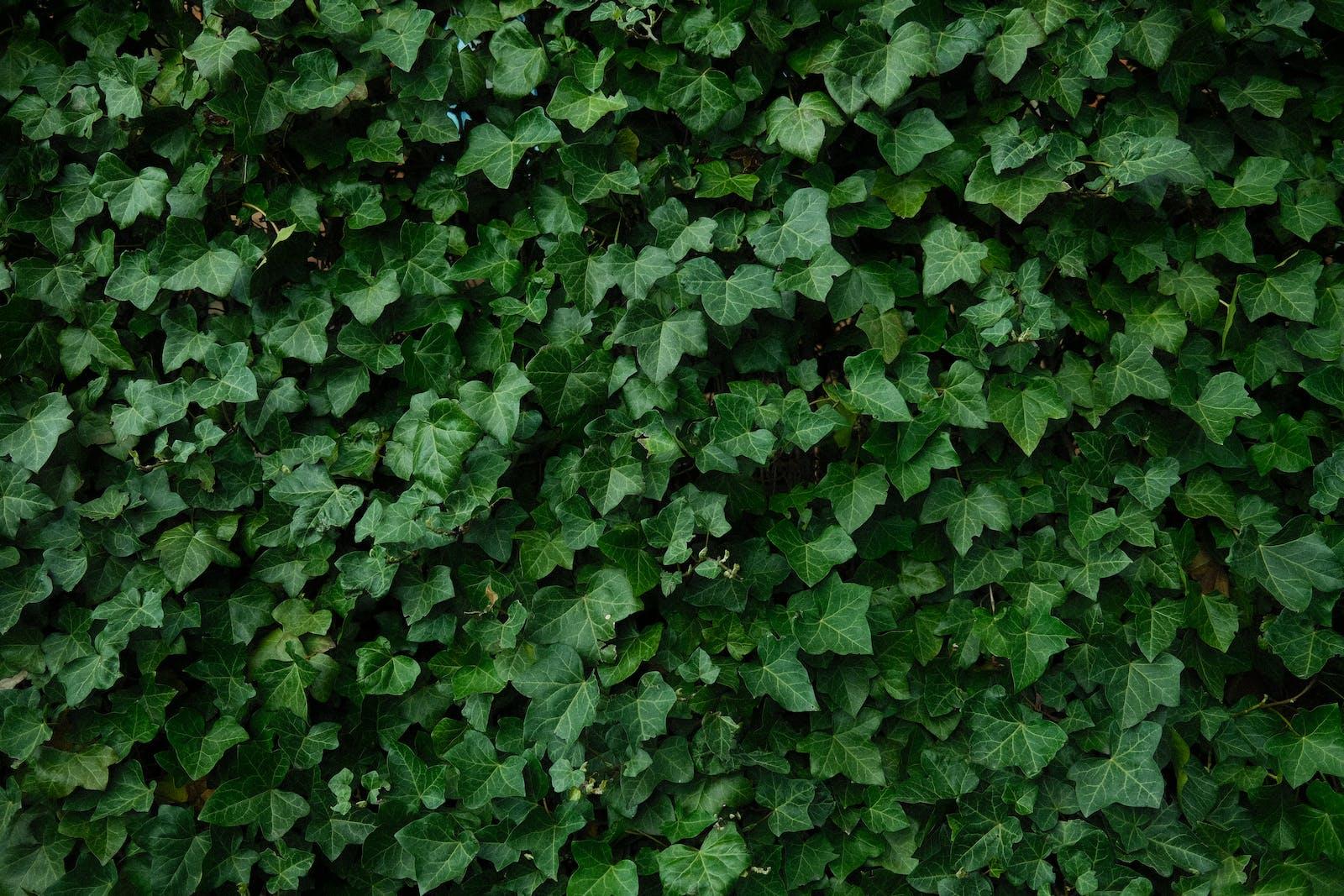
Aquafin - Greening the wastewater pumping stations
Until now, the wastewater pumping stations we built, were merely fenced with 2m high Bekaert wire mesh panels in order to ensure the safety of the environment and our operators. A green screen was only installed, if requested by the permit-issuing authority.
View story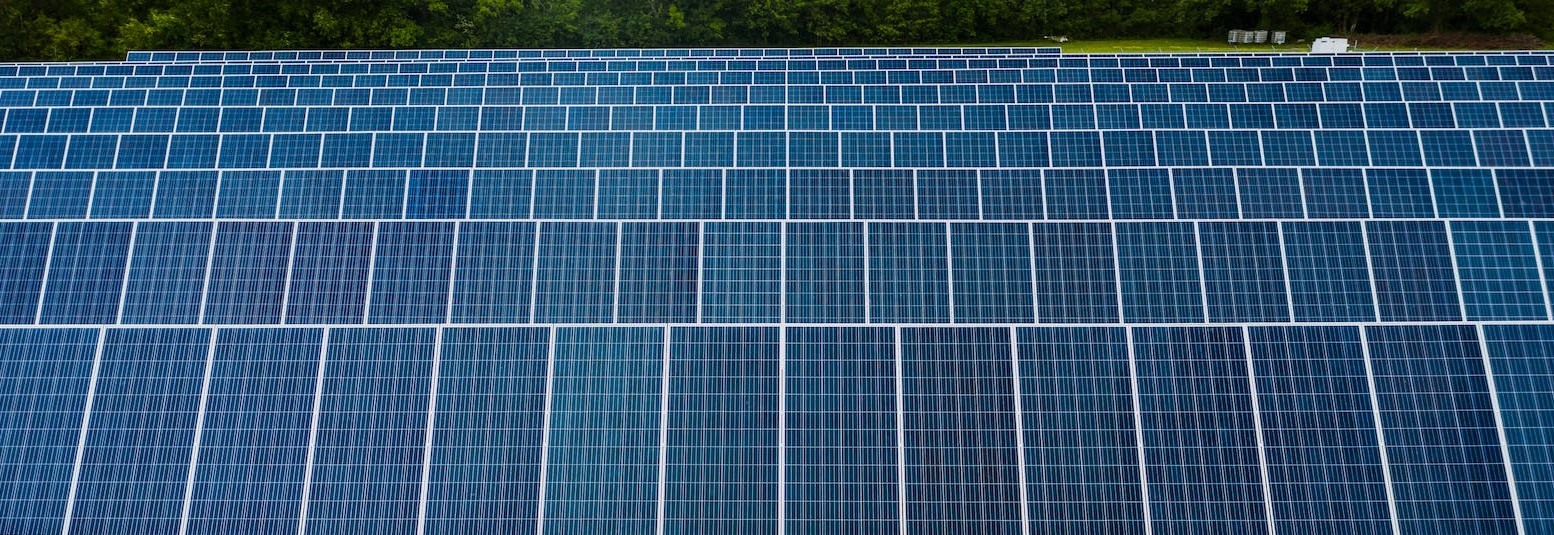
Aquafin-Solar panels and biodiversity
Aquafin is a large consumer of electricity and made the choice several years ago to use only green and renewable electricity.
View storyNature-based solutions
Bolhuis
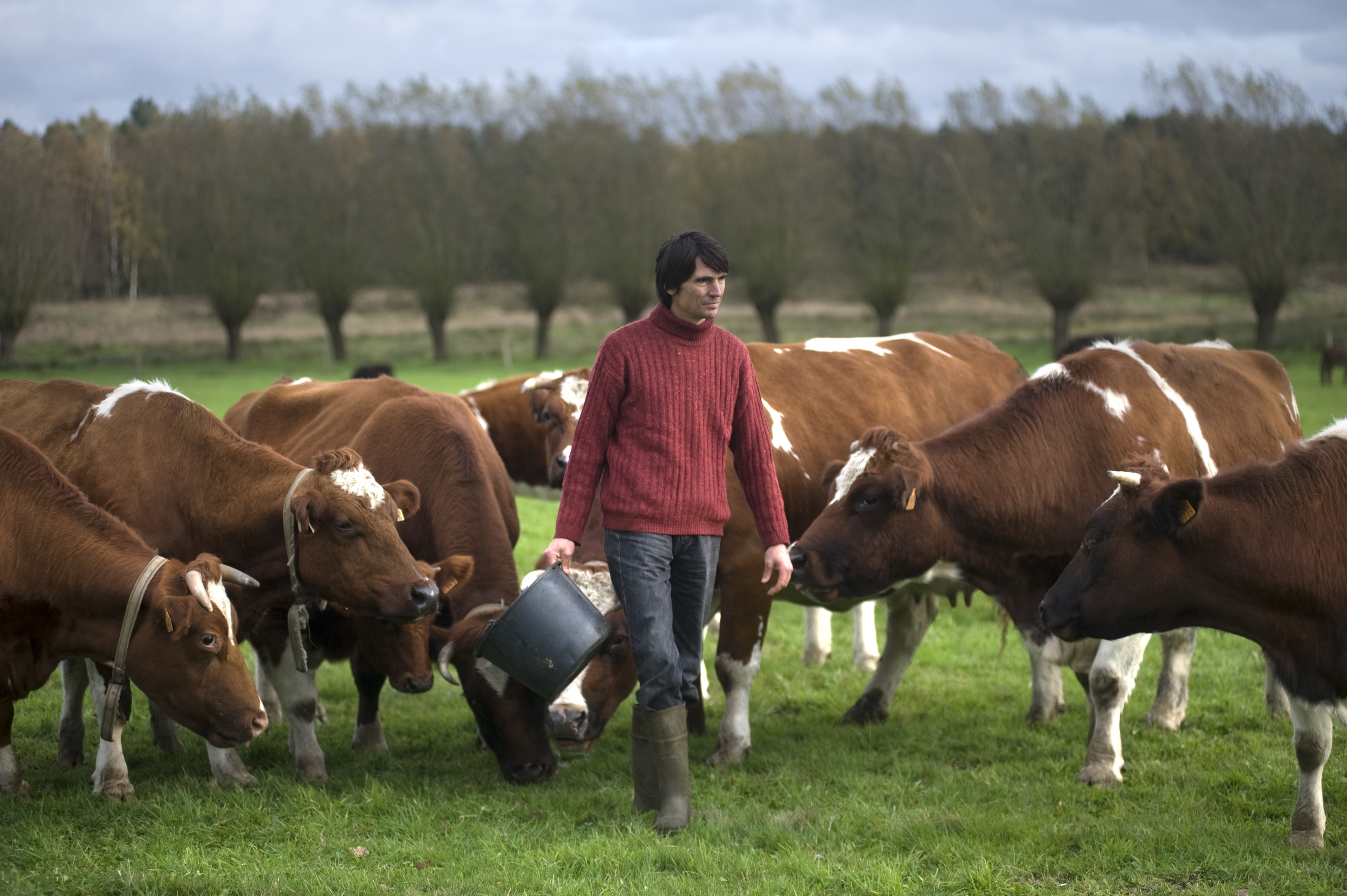
Natuurboerderij Bolhuis is an organic livestock farm that works closely with two actors in nature management, the NGO Natuurpunt and the Agency for Nature and Forests of the Flemish Government, in managing 150 hectares of valley areas, natural grasslands, heathland and forest.
View story