Expanding the green-blue network in, around and between cities to enhance biodiversity
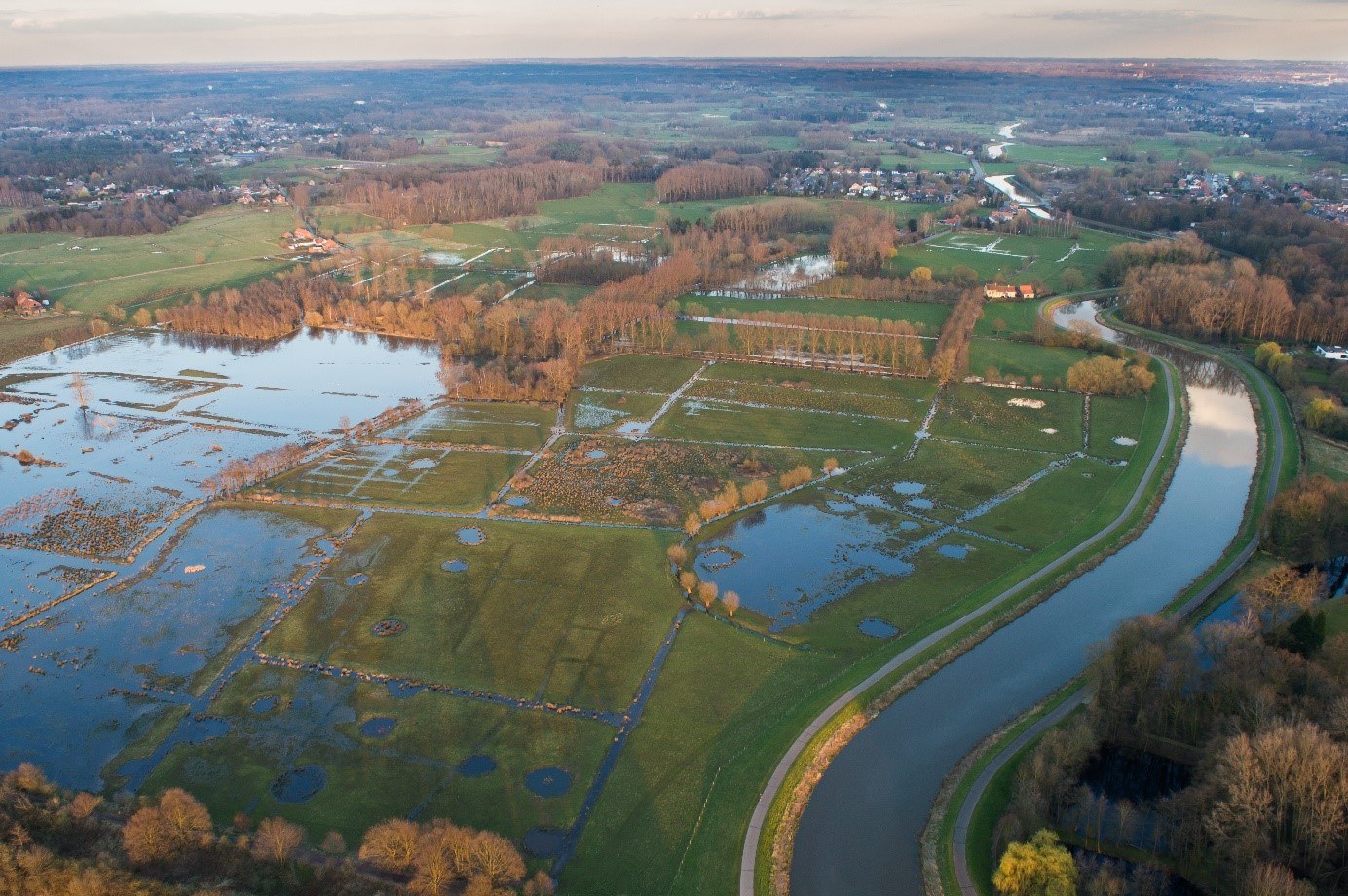
Belgium is a highly urbanised country which results in fragmentation of green and blue open spaces in, within and across urban and peri-urban areas. This affects the surrounding environment: animal species who cannot access a feeding or nesting site, migratory routes being cut, surface of natural habitats being reduced, etc...
It also has major socio-economic consequences:
- reduced efficiency in provision of basic services (e.g. CO2 absorption)
- high dependence on individual transport (e.g. cars) resulting among others in limited space for nature and water
- lack of good environmental and health conditions for people and nature
- increasing competition for space with agriculture, industry and urbanised areas
Expanding Belgium’s green-blue network will bring concrete ecological and socio-economic solutions in particular in relation to climate change, biodiversity loss, water management, soil erosion and air pollution.
The five objectives
- Urban and peri-urban areas
By 2030, 120 000 hectares of urban and peri-urban areas are net-positive for biodiversity - Buildings and infrastructures
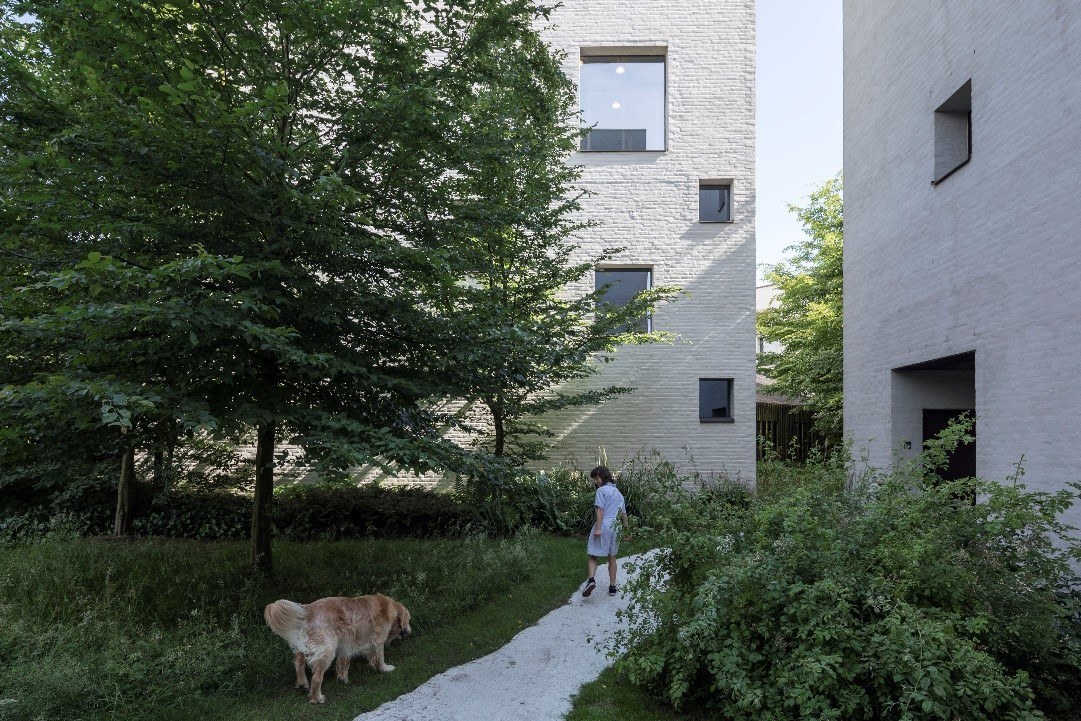
By 2030, 1500 buildings and 20% of the urban and peri-urban infrastructures are net-positive for biodiversity - Bed & Breakfasts for wild pollinators
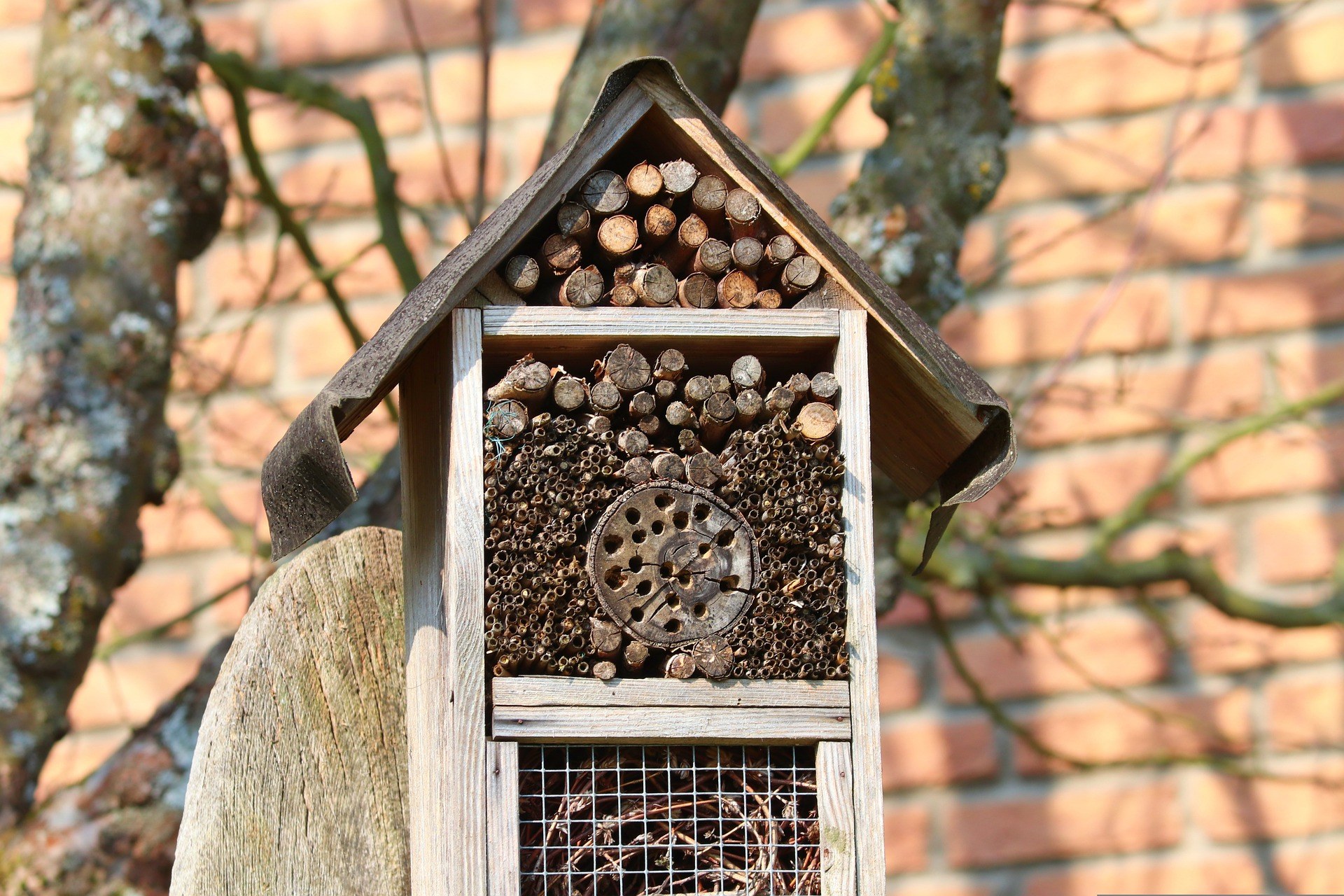
By 2030, 2000 bed & breakfasts for wild pollinator species are available in urban and peri-urban areas - Nature-based solutions
By 2030, 1000 nature-based solutions are applied in urban and peri-urban areas to address in particular water management, soil degradation and climate change adaptation and mitigation - Ecological connectivity
By 2030, 4000 km of linear infrastructures between urban and peri-urban areas and 10 000 km of landscape elements are created or managed to enhance ecological connectivity across the territory
Learn more about the five objectives