Model projects
On this page you will find some successful examples of projects and actions for biodiversity.
In this part we are highlighting existing initiatives in order to inspire anyone to take action.
On this page you will find some successful examples of projects and actions for biodiversity.
In this part we are highlighting existing initiatives in order to inspire anyone to take action.
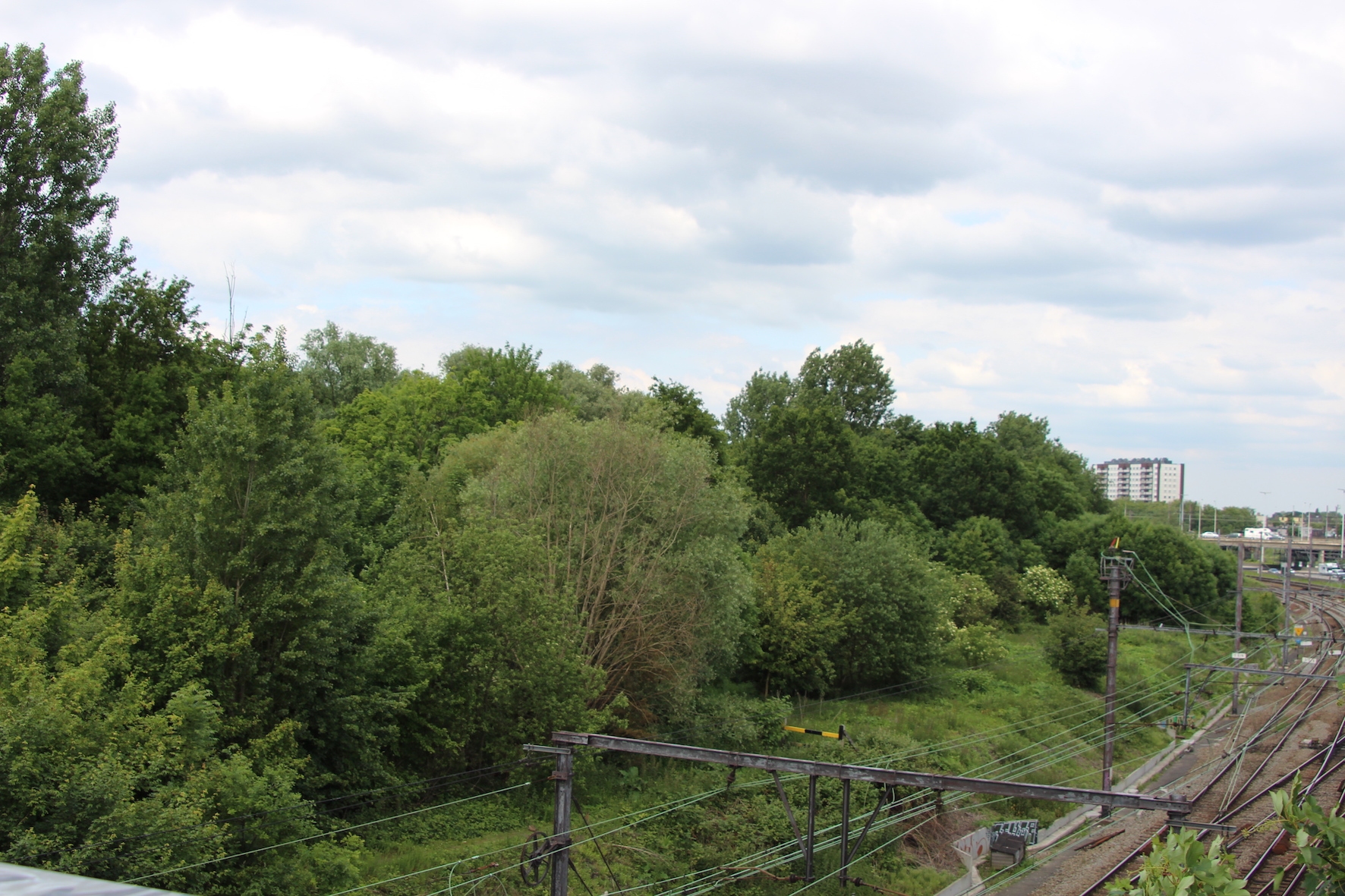
Wolvenberg is the only recognised nature reserve within the Antwerp ring road (R1). The reserve consists of a few green zones along the ring road, which together cover just over 12 hectares and which are managed according to a recognised nature management plan.
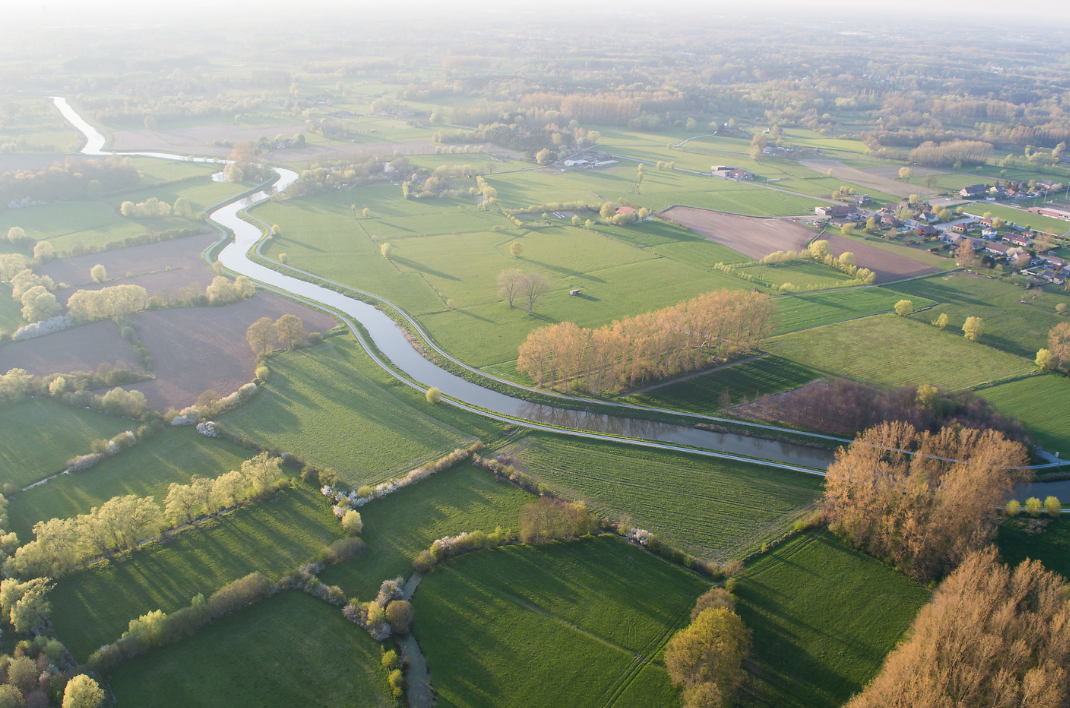
Wetlands4Cities is a project by Natuurpunt in collaboration with Ecover. The project aims to install five urban wetlands in Flanders and turn them into biodiversity hotspots, which act as natural climate buffers.
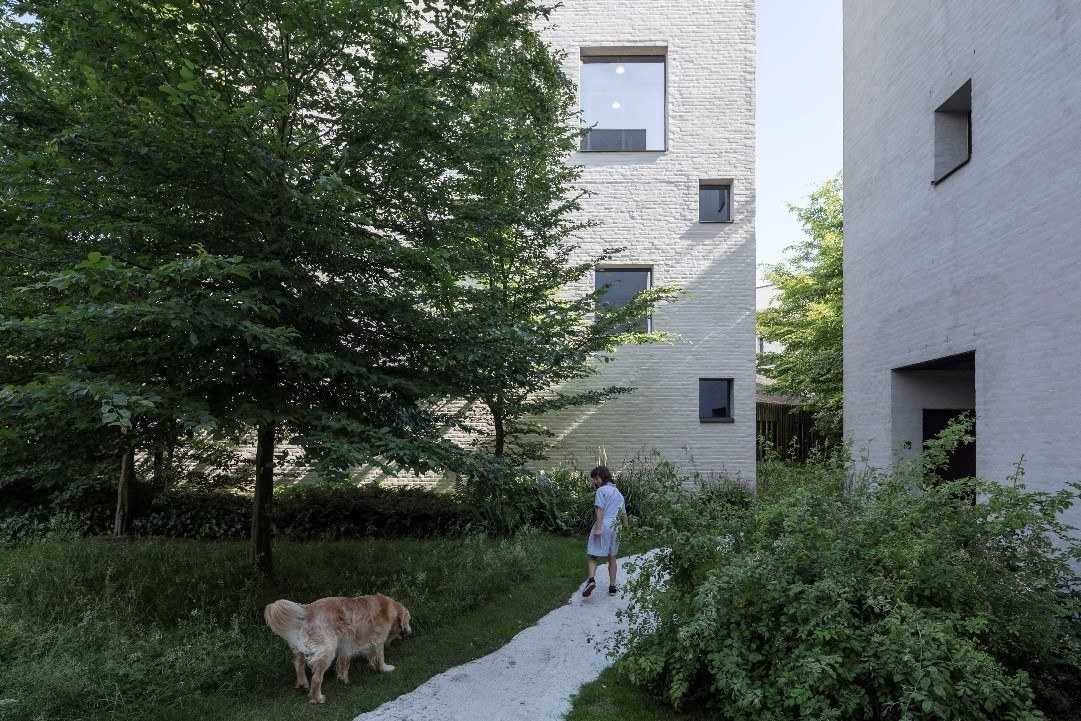
Kanaal represents the transformation of an industrial site in Wijnegem (a former distillery) into a mixed-use residential project in which different types of housing are complemented by offices, museum spaces, workshops and an underground car park. Nature is integrated everywhere on the site, on the roofs of the buildings, between the buildings, and even in the underground car park.
View story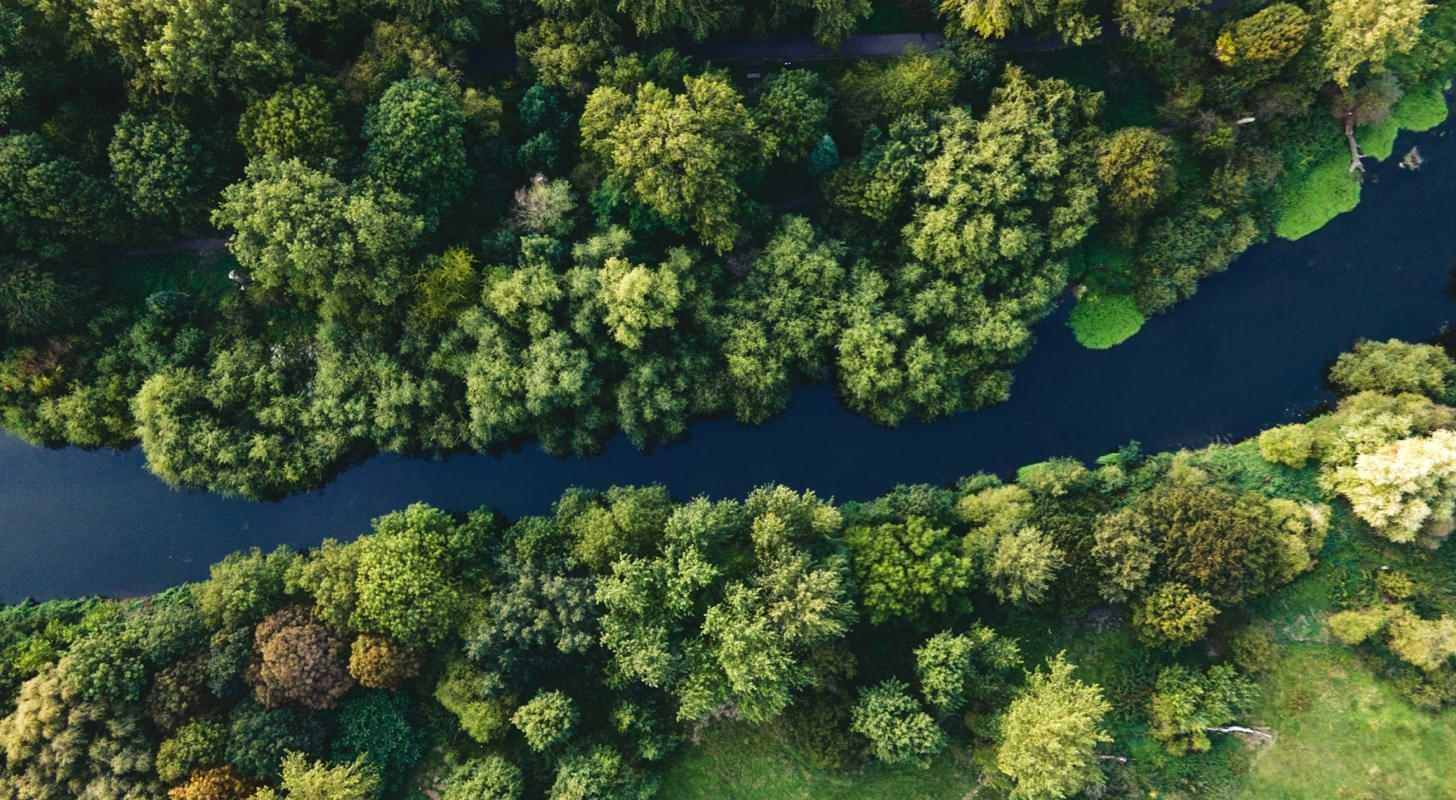
At Forestbase, we are on a mission to protect àll primary rainforests globally. Deforestation is a land use crisis driven by financial incentive. Nature is inherently connected to land. There is a price on land everywhere. That means that nature is present in the financial system, but only with one leg.
There are also many service buildings within Aquafin's patrimony. With this project, we want to ensure that whenever one of our service buildings is up for renovation, the water management is critically reviewed and a cost-benefit analysis is carried out to consider whether it is opportune to implement green and blue measures such as wadis, infiltration basins, or infiltration trenches to locally infiltrate runoff rainwater.
View story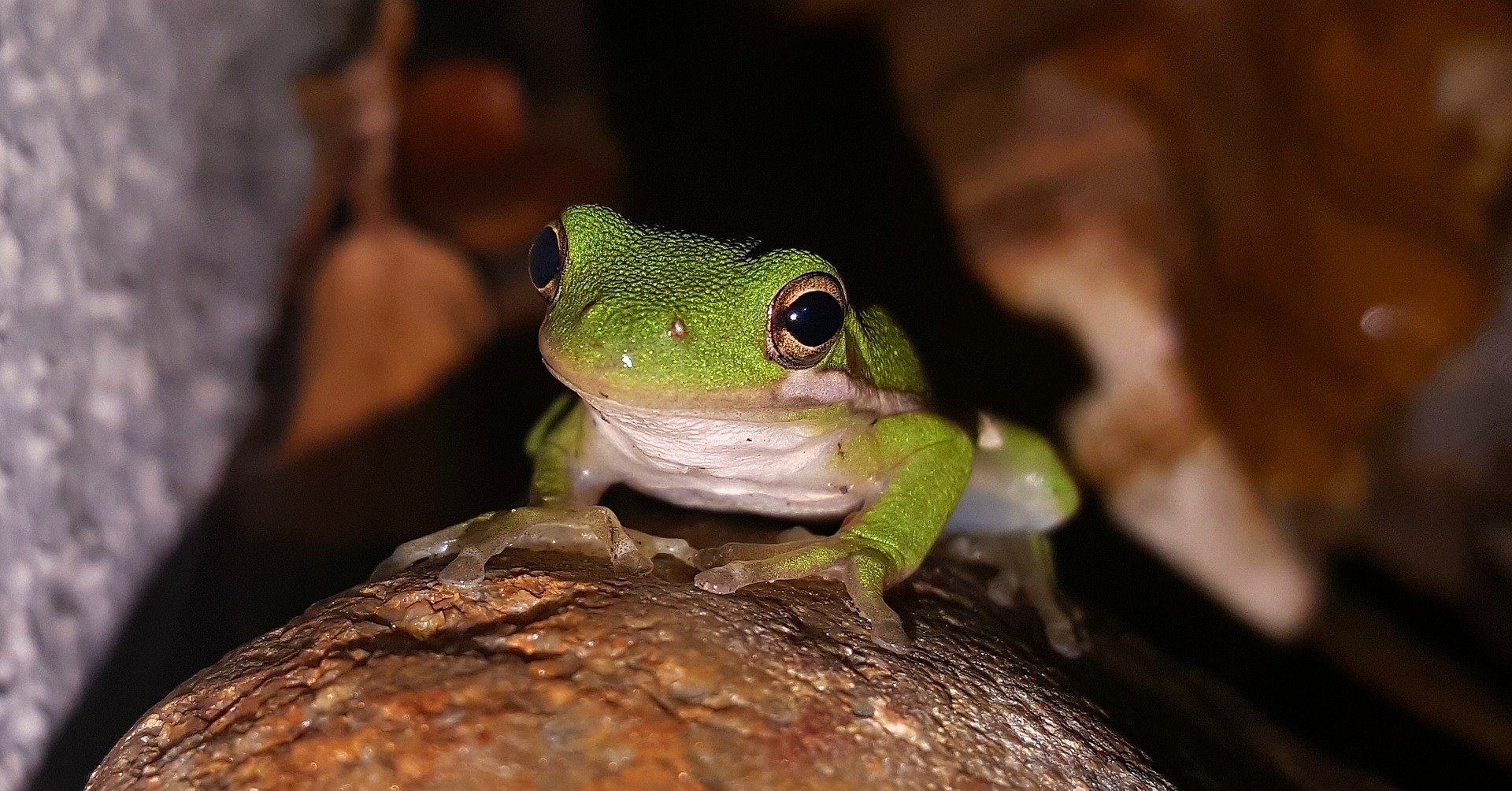
Aquafin has more than 200 wastewater treatment plants in Flanders. Since 2021, all these plants are being converted into fully biodiverse locations and maintained as such. This project involves 400 hectares, and we have achieved this through a global and uniform approach.
View story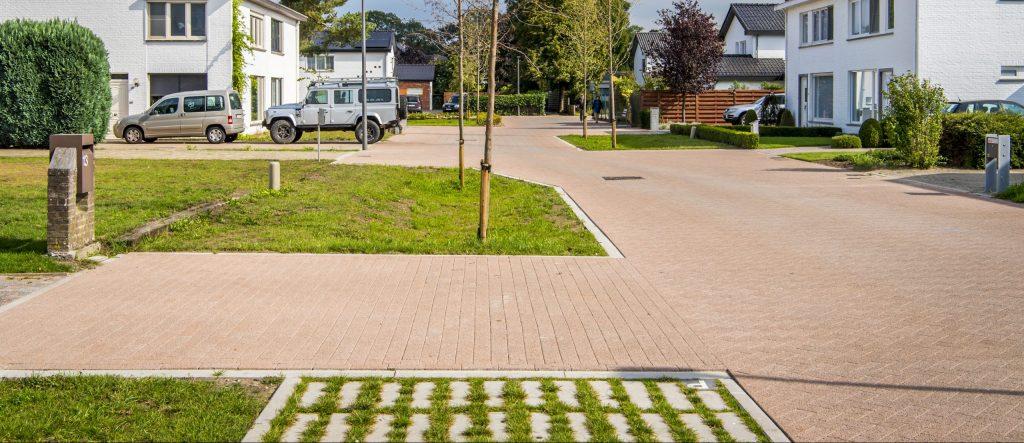
The streets Zilverberkstraat and Leeuwerikstraat form an existing part of the town, but were completely redone. An ideal opportunity to rethink the approach to stormwater. There were quite a few challenges: the area has a high water table and the soil is poorly permeable. However, for this project we aimed at complete infiltration of stormwater in a green way.
View story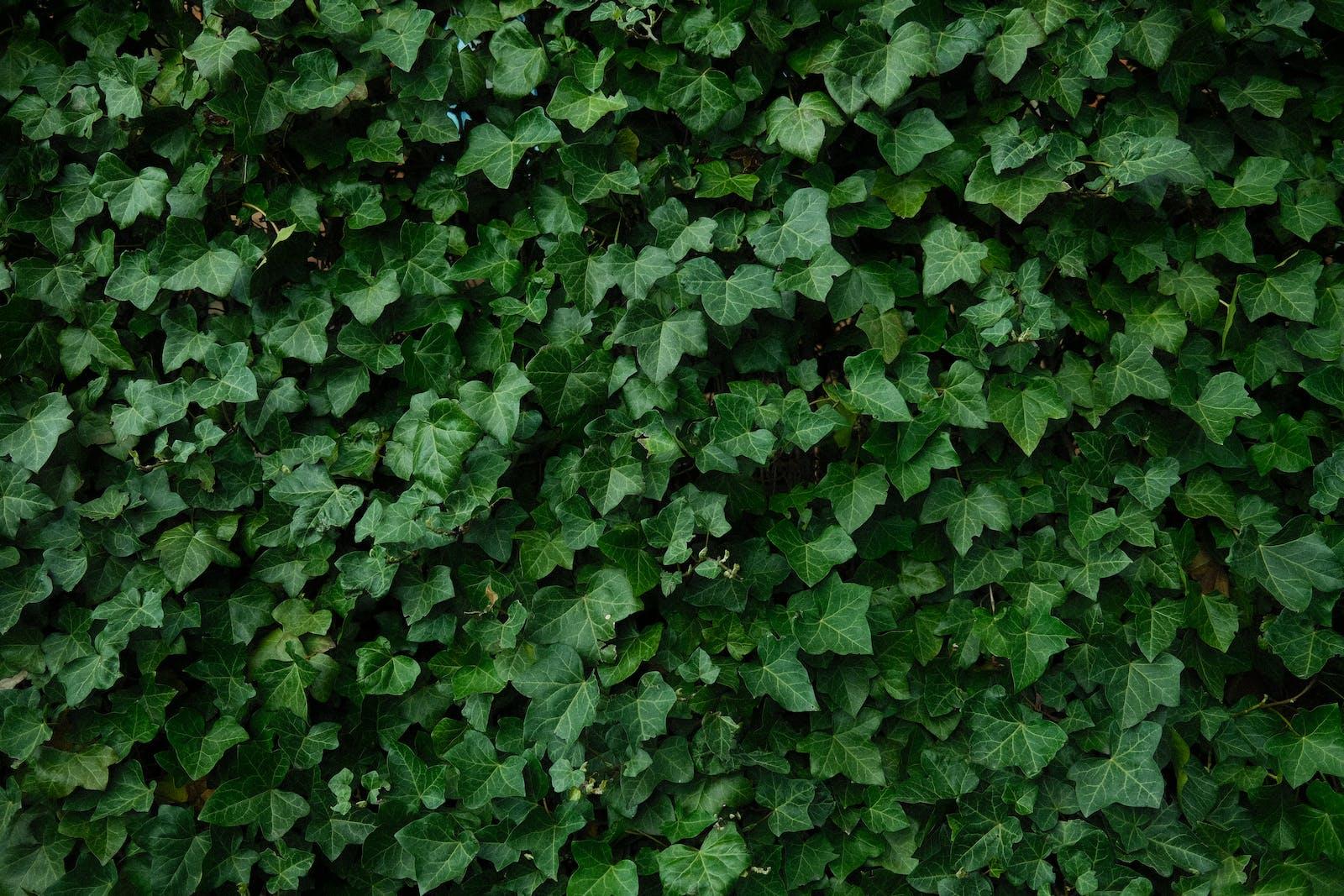
Until now, the wastewater pumping stations we built, were merely fenced with 2m high Bekaert wire mesh panels in order to ensure the safety of the environment and our operators. A green screen was only installed, if requested by the permit-issuing authority.
View story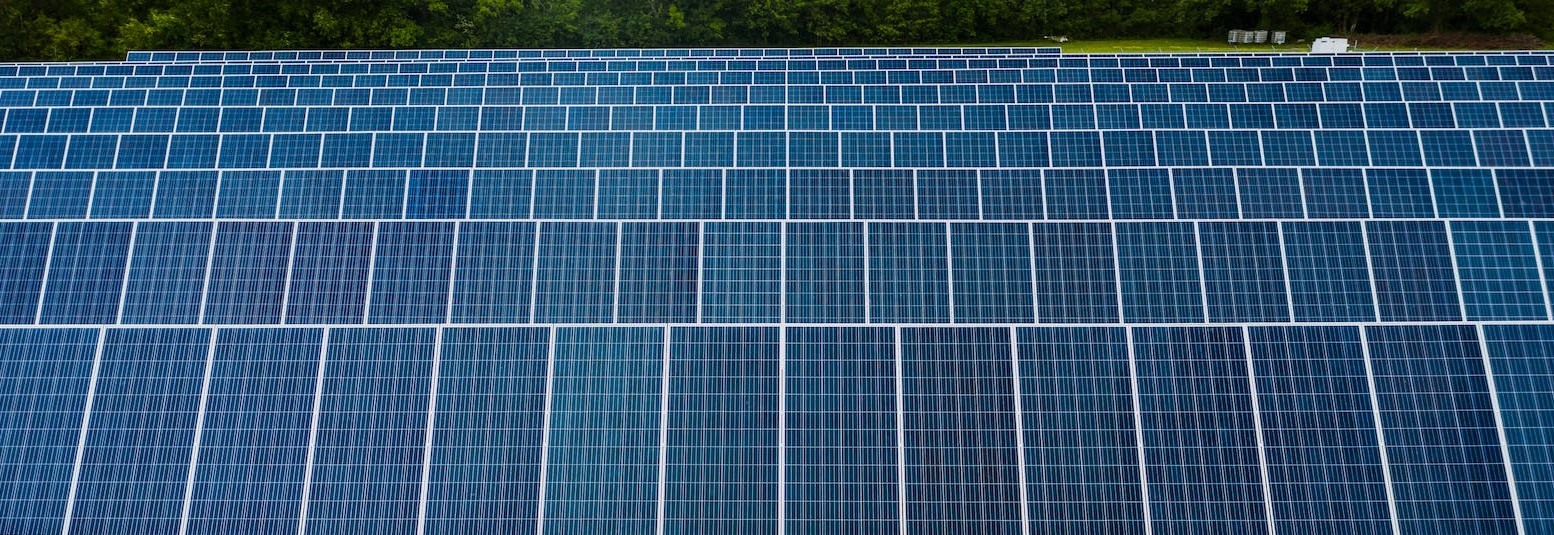
Aquafin is a large consumer of electricity and made the choice several years ago to use only green and renewable electricity.
View story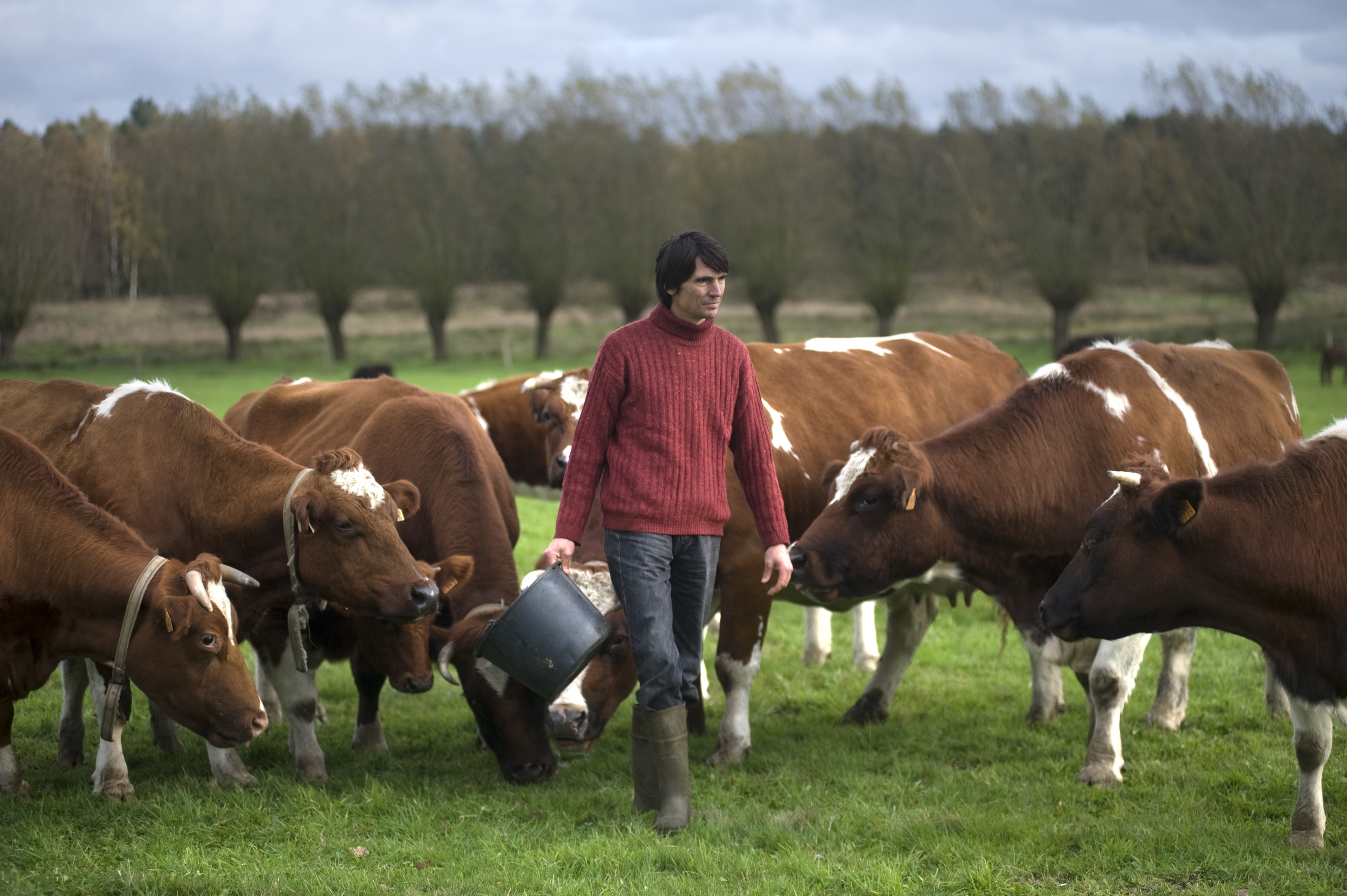
Natuurboerderij Bolhuis is an organic livestock farm that works closely with two actors in nature management, the NGO Natuurpunt and the Agency for Nature and Forests of the Flemish Government, in managing 150 hectares of valley areas, natural grasslands, heathland and forest.
View story
The project consists of disseminating the agroecological system to farmers and other actors in the food chain. Its aim is to engage all Walloon farmers in an agroecological transition by 2030. Agroecology is a more autonomous, productive and ecological agricultural system.
View story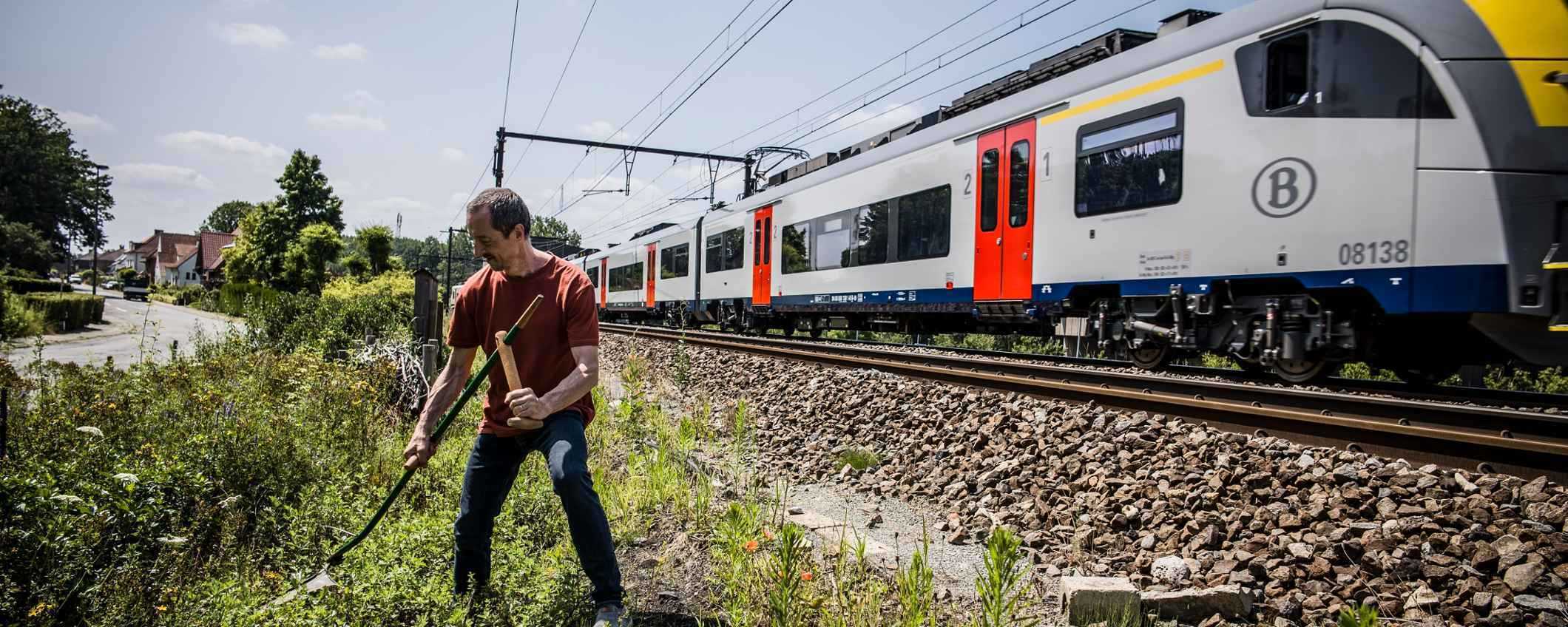
Ecostrades is a recruiting concept aimed at connecting, structurally restoring and expanding biodiverse ecosystem space near line infrastructures in Leuven, Flanders, Belgium and beyond. By facilitating local volunteer projects, we aim to maximise the nature value and ecosystem services of these line infrastructures so that they form true corridors and nature is upgraded.
View story