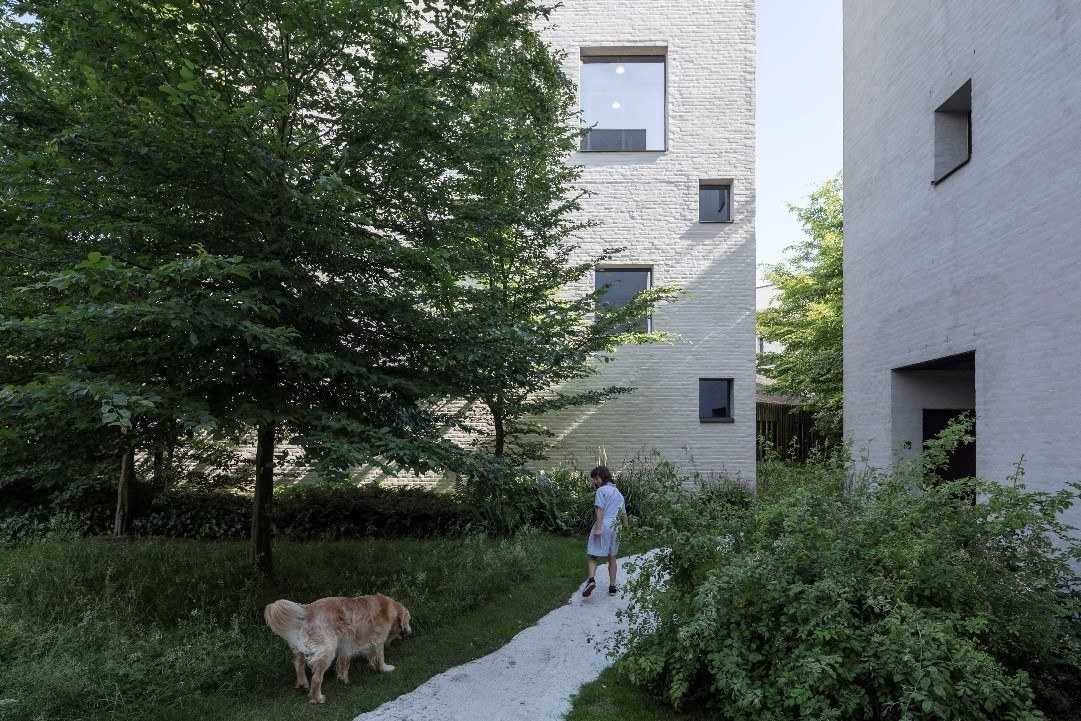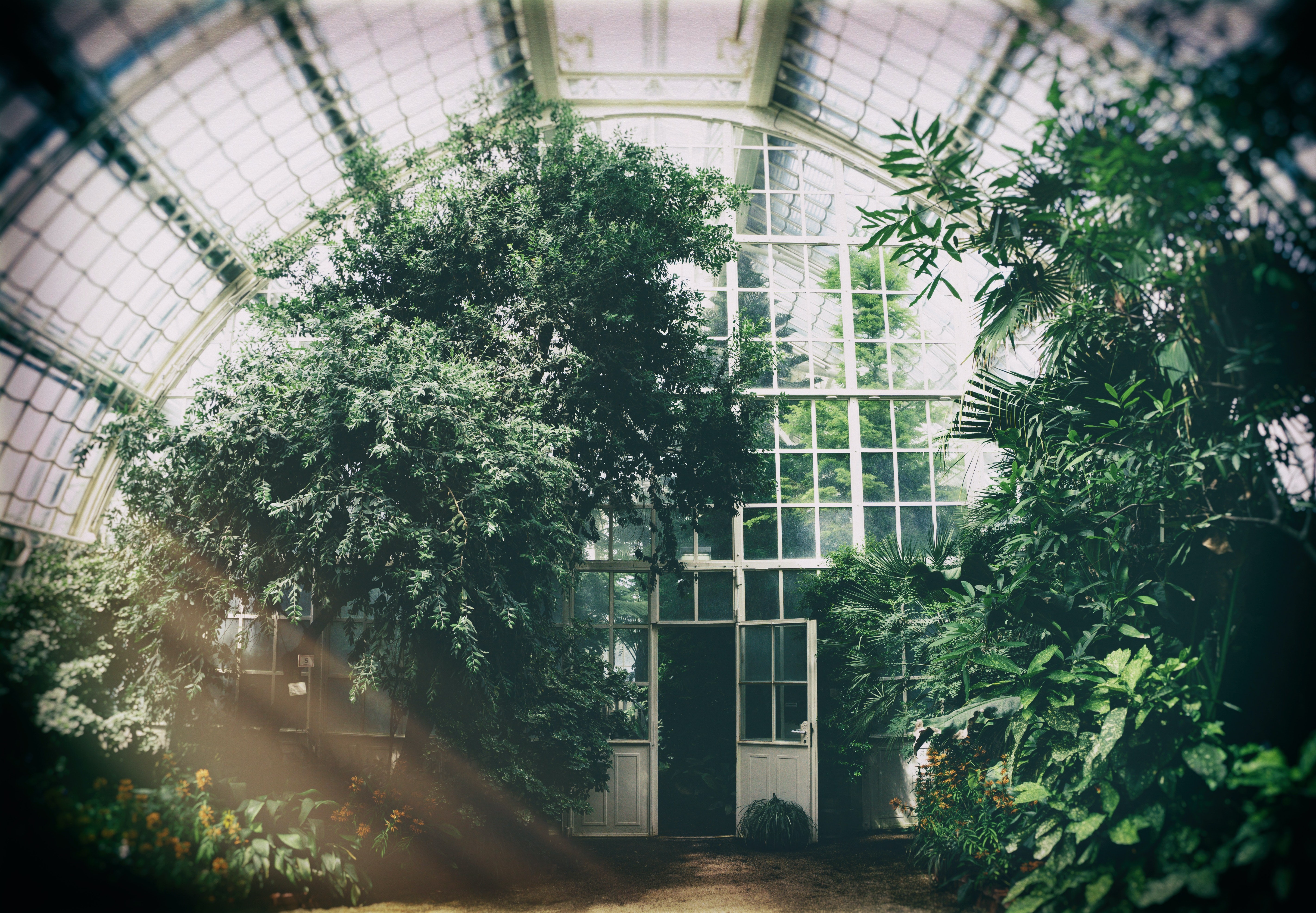
By 2030, 1500 buildings and 20% of the urban and peri-urban infrastructures are net-positive for biodiversity
Key objective : Naturalising, greening and “vegetalising” buildings and concrete infrastructures in urban and peri-urban areas helps creating green and blue veins within and across cities aimed at connecting fragmented parts of the ecological network. The significance of environment integration in future infrastructures and constructions – greening and (re-)naturalising – is recognized as bringing various benefits, especially in terms of landscape quality including through appropriate urban planning, urban farming, climate change and carbon storage, air and water quality, health, urban biodiversity, resilience and green-blue connectivity.
What is to be achieved?
- Restoration and conservation of biodiversity
- Restoration and enhancement of the connectivity of the ecological network
- Mainstreaming of biodiversity-friendly buildings and infrastructures
- (Re)naturalising and reducing concrete surfaces in urban and peri-urban areas
- Integration of biodiversity considerations in spatial and buildings planning
Criteria to be reflected by the voluntary engagements:
- As little alteration of the initial landscape as possible /as much naturalness as possible to replace grey and concrete surfaces (e.g. green roofs and walls, greening the surroundings, incorporating the existing landscape into the infrastructure, ...
- Have respect for and/or improve the specific ecological characteristics of the area (e.g. the topography, the type of landscape, the local plant and animal life, ...) to efficiently replace the grey/concrete surface
- Incorporate the amenities into the surrounding area and environment
- Use native species, and subspecies that are more resilient and resistant to climate change, if appropriate
- Incorporate elements that are suitable for the local biodiversity (e.g. birdhouses suitable for the bird species on site, insect houses at an appropriate height, appropriate vegetation types, etc.)
- Provide amenities with sufficient space/length/thickness to ensure the creation of habitats, green-blue areas and veins
- Construct buildings while maintaining green and blue areas, and while limiting further urbanization and urban sprawl (e.g. a higher building or a multi-storey car park requires less surface on the ground, ...)
Want to join this commitment?
Are you also ready to take action? Join this cause and help us reach our goal.