Making Belgian production and consumption more biodiversity-positive
Belgium has a high ecological footprint and puts significant pressure on biodiversity: it is due to its specific production and consumption patterns, high volumes of importations, exportations and transits, and its dense population. These production and consumption patterns have negative consequences on Belgian territory but also abroad, as Belgium is a large importer of commodities and products. This results in loss, fragmentation and degradation of natural habitats and ecosystems, such as forests, savannahs, wetlands, mangroves, rivers.
To achieve sustainability and resilience of various economic sectors, it is imperative to shift Belgian consumption and production patterns. Accounting for impacts on biodiversity is also crucial.
The five objectives
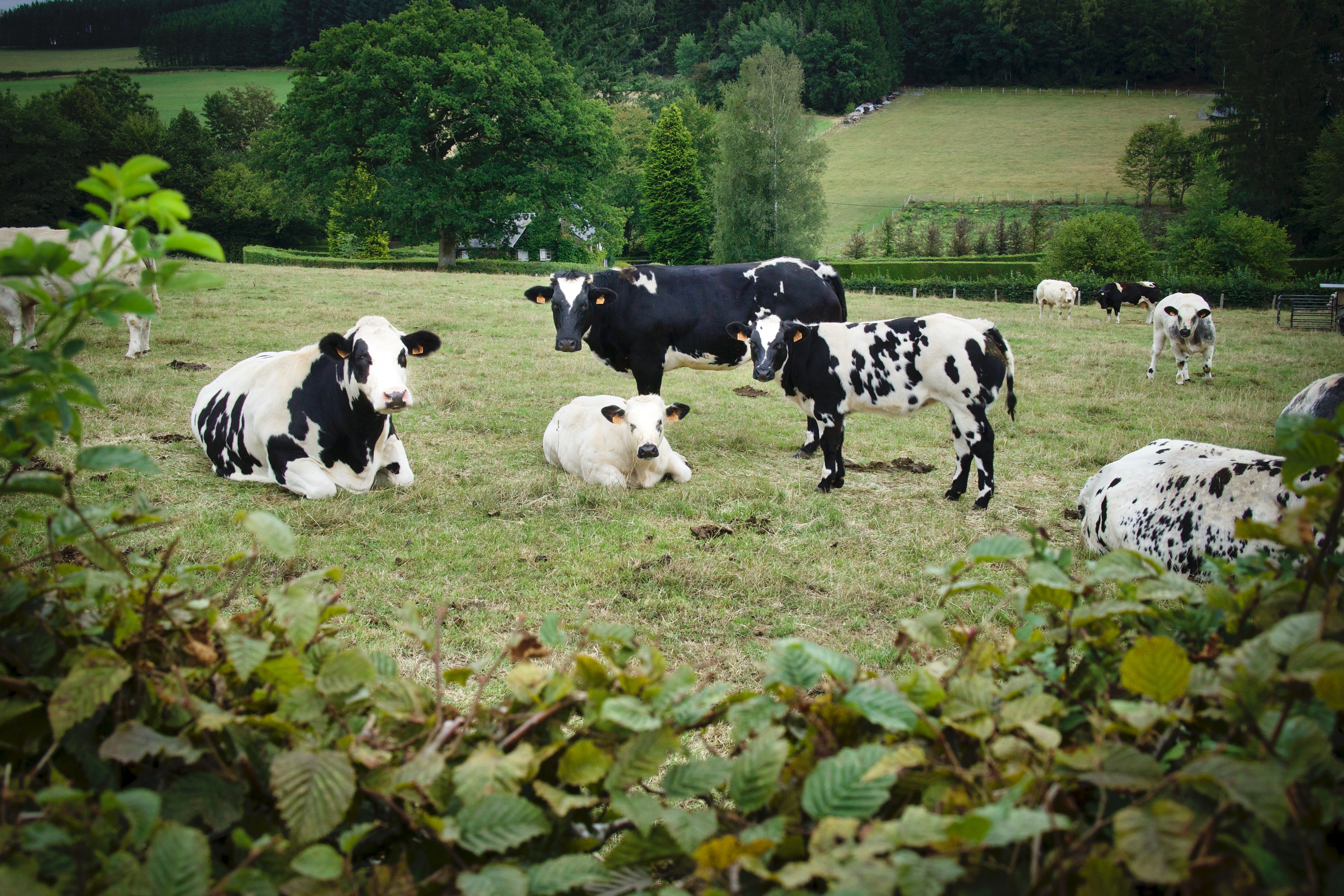
- Crops and animal products
By 2030, 8 000 000t/y of crops and 3 500 000 t/y of animal products available on the Belgian market are locally produced with at least neutral impact on biodiversity - Primary production areas
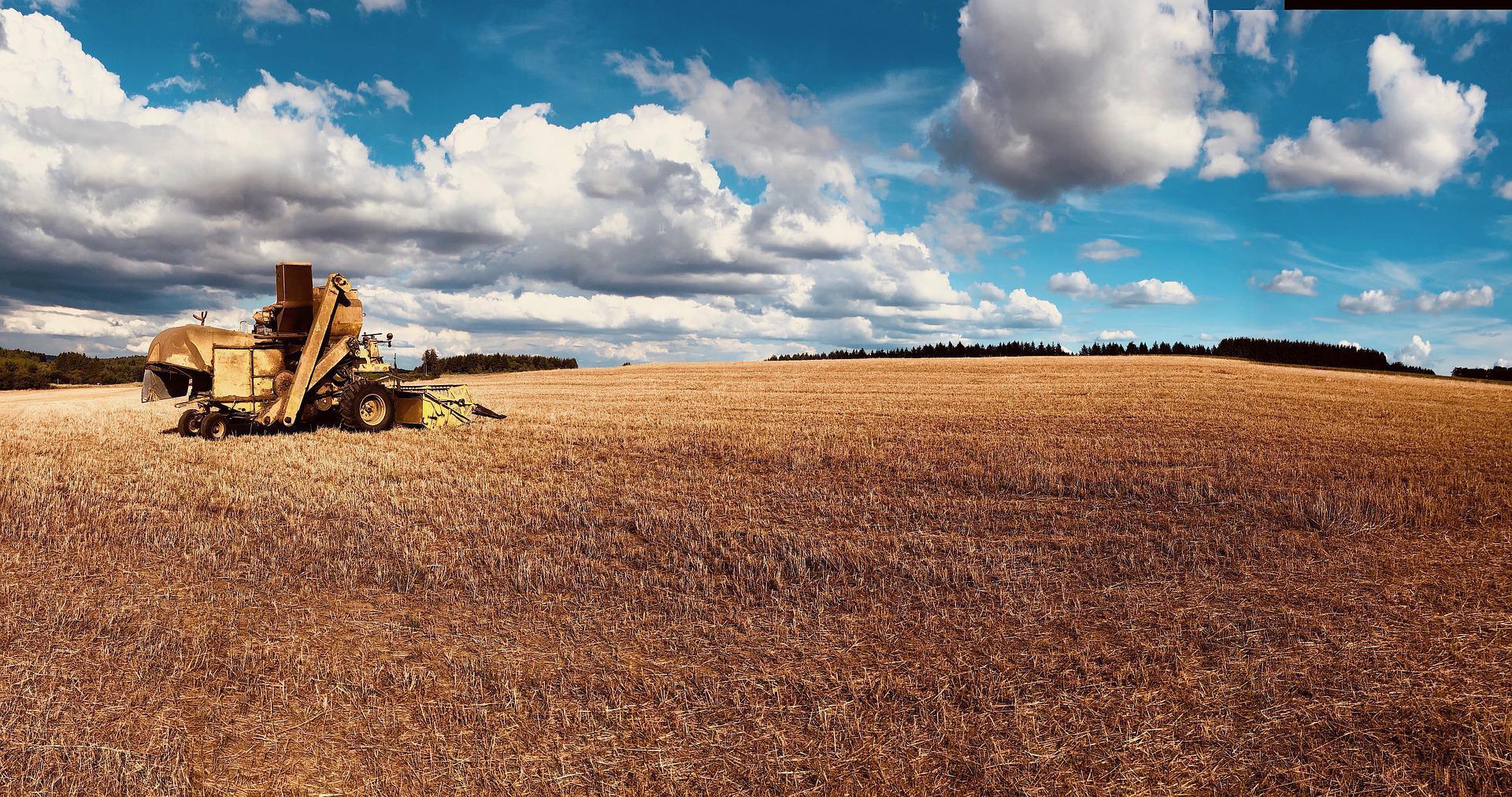
By 2030, 500 000 hectares of primary production in Belgium have at least a neutral impact on biodiversity - Imported primary commodities
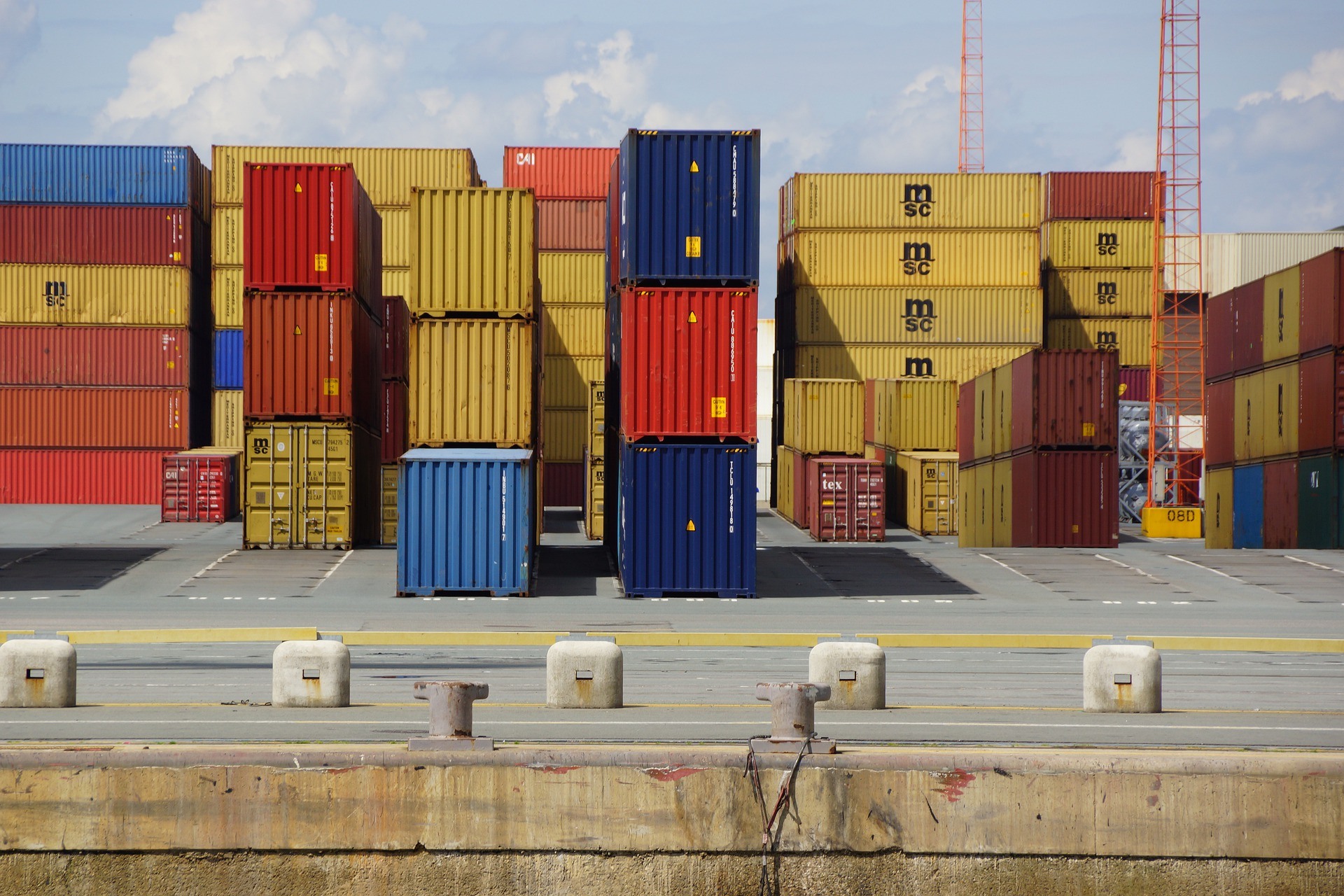
By 2030, 38 500 000 tons/year of imported primary commodities in Belgium are produced with at least a neutral impact on biodiversity - Surplus food
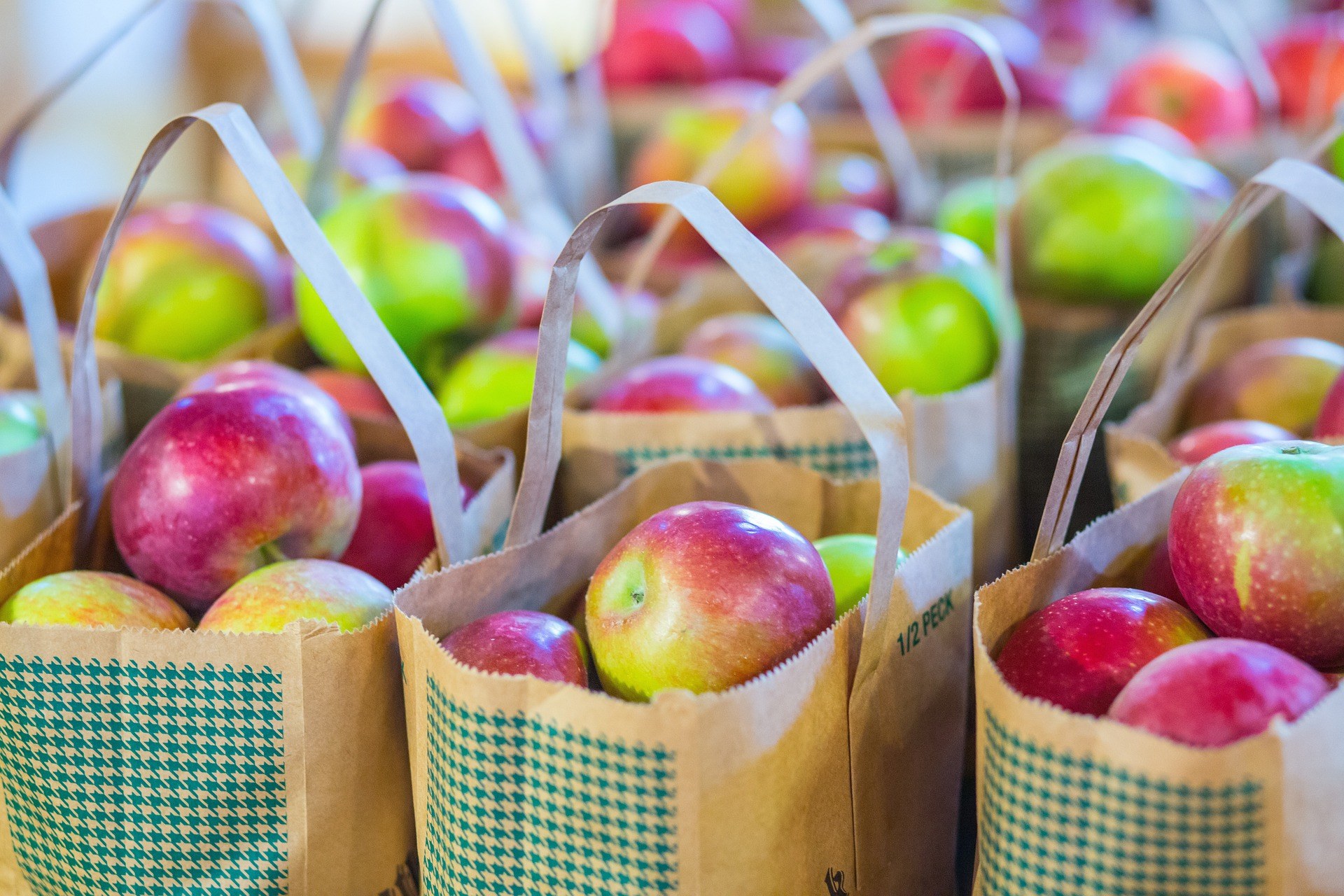
By 2030, 435 000 tons/y of surplus food is either consumed, recovered or redistributed - Biodiversity-friendly financial flows
By 2030, 150 private and public entities take biodiversity risks and opportunities into account in their strategies and investments, and their financial flows are oriented towards biodiversity-friendly projects
Learn more about the five objectives