| Project by | Natuurpunt |
|---|---|
| Main objective | Urban and peri-urban areas |
| Region | Antwerp |
| Joined on | 2022-03-23 |
Who is involved?
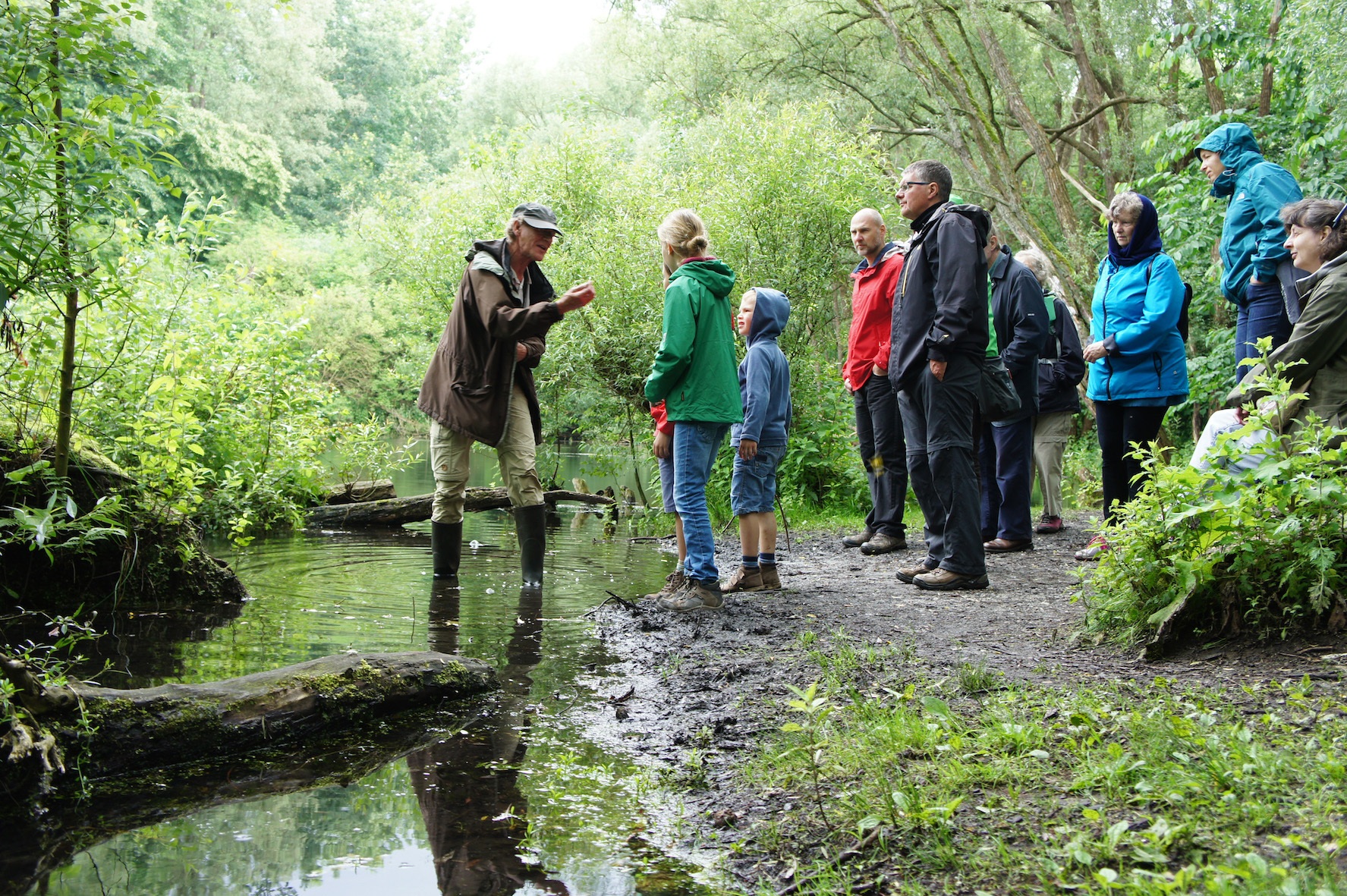
For many years now, the volunteer management team of the local Natuurpunt department ensures the nature management. In addition, this nature reserve is part of countless local programmes (Brialmont Park, Ringpark Groene Vesten (ring road park), Visual Quality Plan Green Singel (green roadside landscape of the ring-motorway R1 and inner ring road Singel around Antwerp), Core Area (Green Singel/Wolvenberg) and essential Urban Ecological Connection (SEV) in the Antwerp Supra-local Green Plan, ...). As a consequence, we mainly work in close collaboration with the city administration and policymakers and, through various participation initiatives, also with the local residents and local associations.
We also collaborate with the national umbrella organisation of Natuurpunt, the Research Institute Nature and Forest (INBO) (e.g. monitoring of exotic species), the Agency for Nature and Forests (ANB) (creation of knowledge centre 'Brialmont Natuurhuis' in the Brialmont Park), project developers (in the context of developments along the Singel), etc. Wolvenberg is located on the territory of the Berchem district, so there is also close collaboration with Berchem's administrative and political structures.
Contribution to the objective 'urban and peri-urban areas'
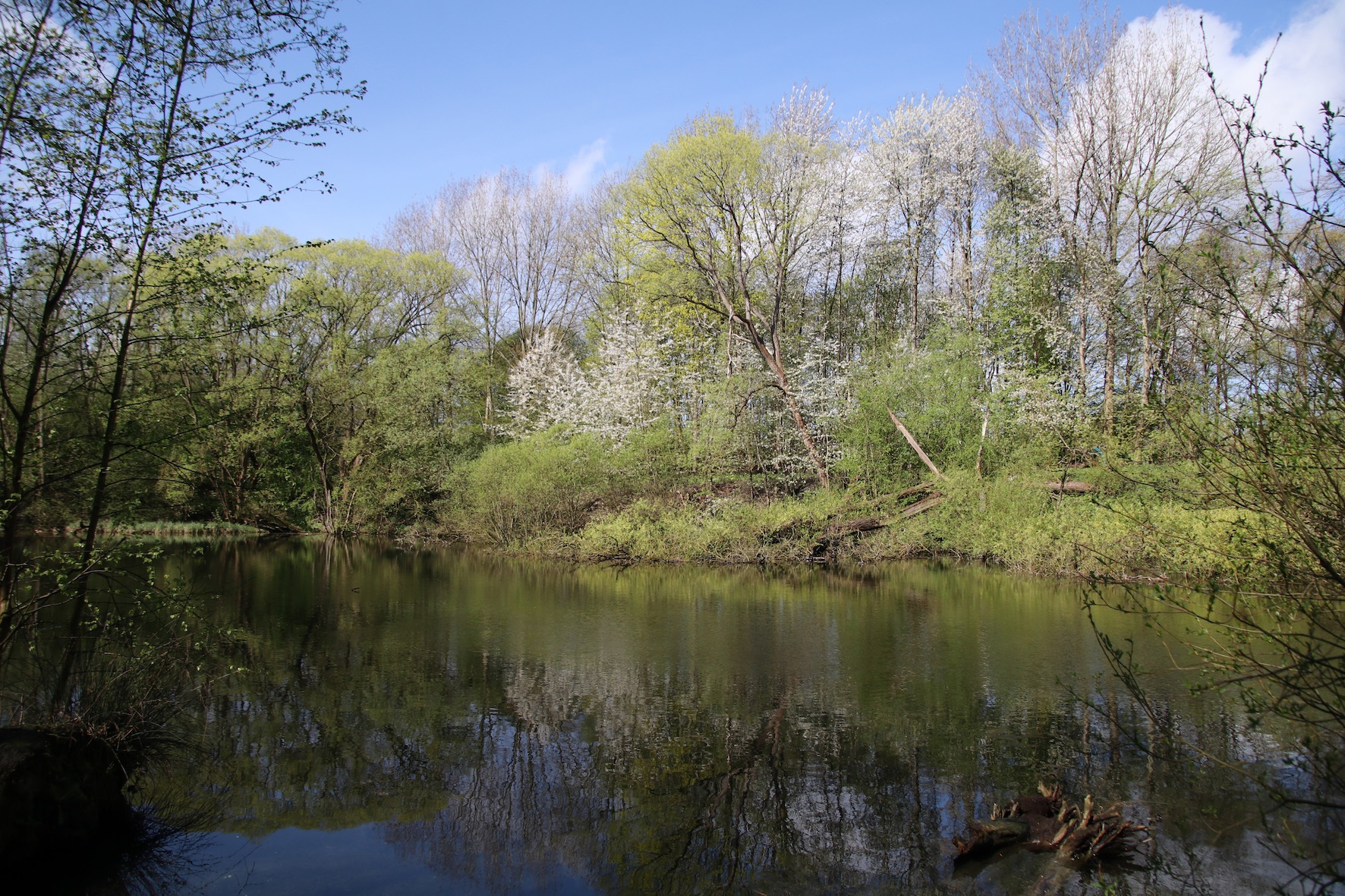
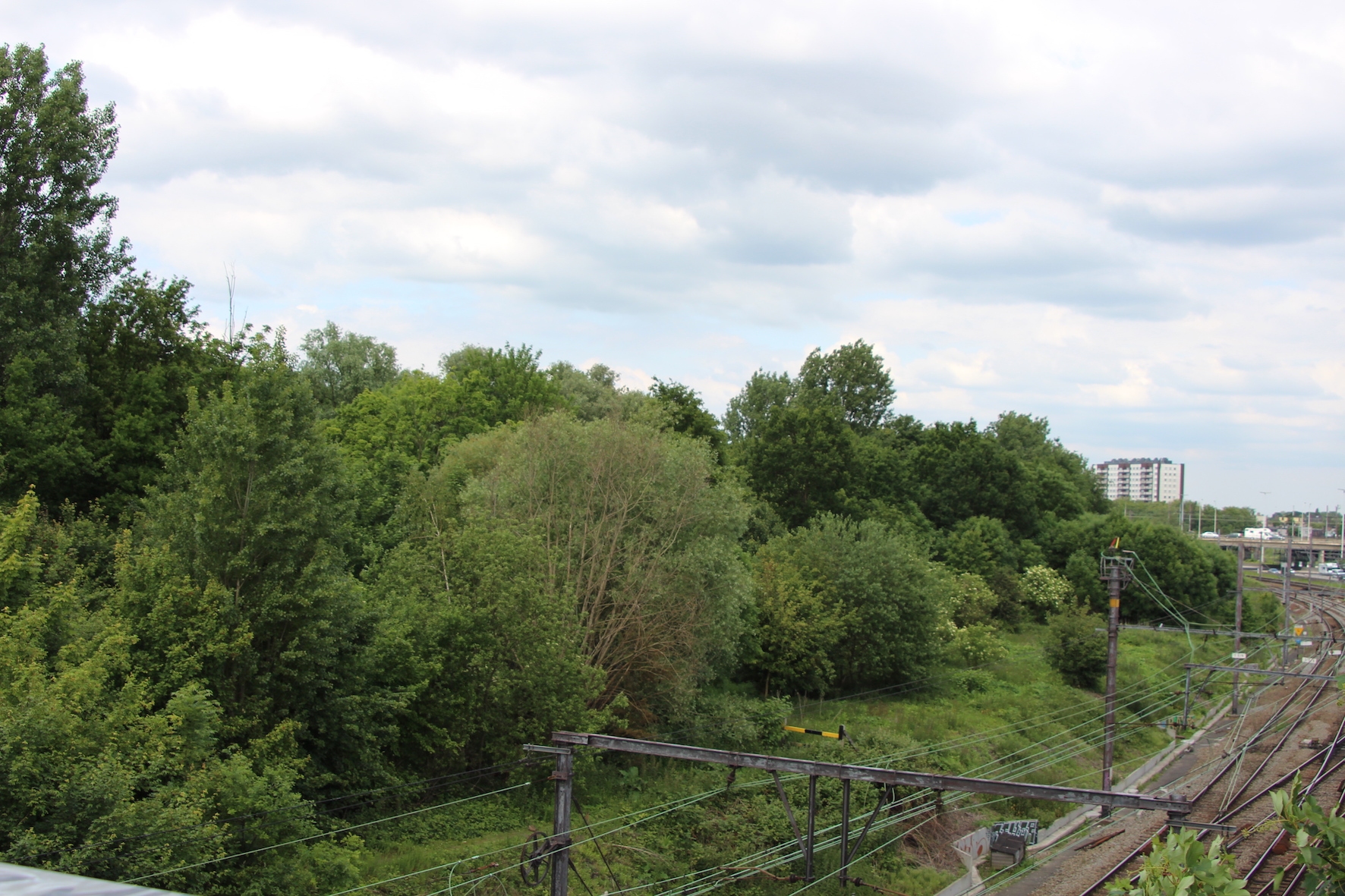
The Wolvenberg area was re-naturalised after construction works. This re-naturalisation area is incorporated in an urban environment. Combined with biodiversity-friendly nature management practices this strengthens the biodiversity in the city and results in a net positive biodiversity area of about 12 hectares. The area is also connected to other green urban areas and spaces, e.g. the ring road and railway verges, which tackles the fragmentation of the ecological network and connects several green spaces. Maintaining Wolvenberg as a nature reserve is of paramount importance. Small expansions are planned in the short term as part of the nature management plan, but most 'net' growth of green surface area will most likely only be possible in this ring zone if the capping of several parts of the ring road R1 becomes reality (which can then be designed as green, nature or park zones where possible). In this respect, plans have been expressed to connect the reserve areas on both sides of the ring road. In this way, the 'fragmented' nature reserve is in itself a 'motivation' for additional nature development in this zone. If it is realised, Antwerp will have a significant net positive impact on biodiversity through this area.
Benefits
Wolvenberg offers many advantages as a nature reserve. For biodiversity, especially urban biodiversity, it provides a vast green-blue space that promotes the recovery of fauna and flora in this densely populated area. Numerous animal and plant species live there, such as great cormorants, sparrowhawks, kingfishers, polecats, smooth and alpine newts, purple hairstreaks, a few rare clearwing moths, more than 130 species of wild pollinators, bee beetles and various species of jewel beetles, tons of pikes in the pond, almost 200 species of mushrooms, plant species such as broad-leaved helleborine and bee orchid, ... . The connection of Wolvenberg with other areas provides eco-connectivity between those areas, which also helps to prevent genetic erosion of populations. Appropriate management also allows for abundant and rich vegetation. Recent inventories showed that the area is, for example, very interesting for wild pollinators.The benefits for the population are numerous, but let us put forward the ecosystem services in the context of urban heat island mitigation and water buffering, and its major benefits for mental health as one of the few green accessible zones in an otherwise densely populated and highly paved area.