About the project
The next step is to identify area-specific needs regarding biodiversity and, if feasible, implement the necessary solutions for biodiversity. Together with external stakeholders such as Natuurpunt, Regional Landscapes, Agency for Nature and Forests of the Flemish Government (ANB), National Orchard Foundation, local government, ... we will look at what needs there are in a specific area.
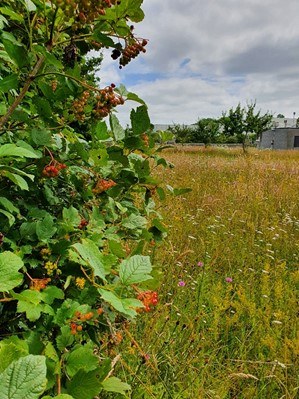
The implemented solutions areall nature-based solutions that enhance, maintain or restore biodiversity values.
This approach should enhance existing biodiversity, but primarily protect endangered fauna and flora. In some areas certain fauna and flora have already disappeared, with the external stakeholders we want to see if our sites can serve as stepping stones in the hope that the disappeared fauna and flora can eventually recover.
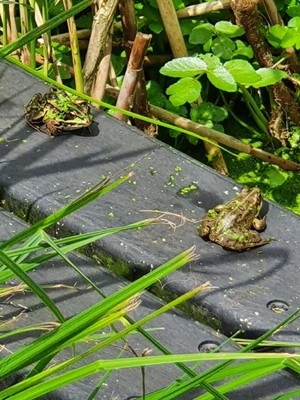
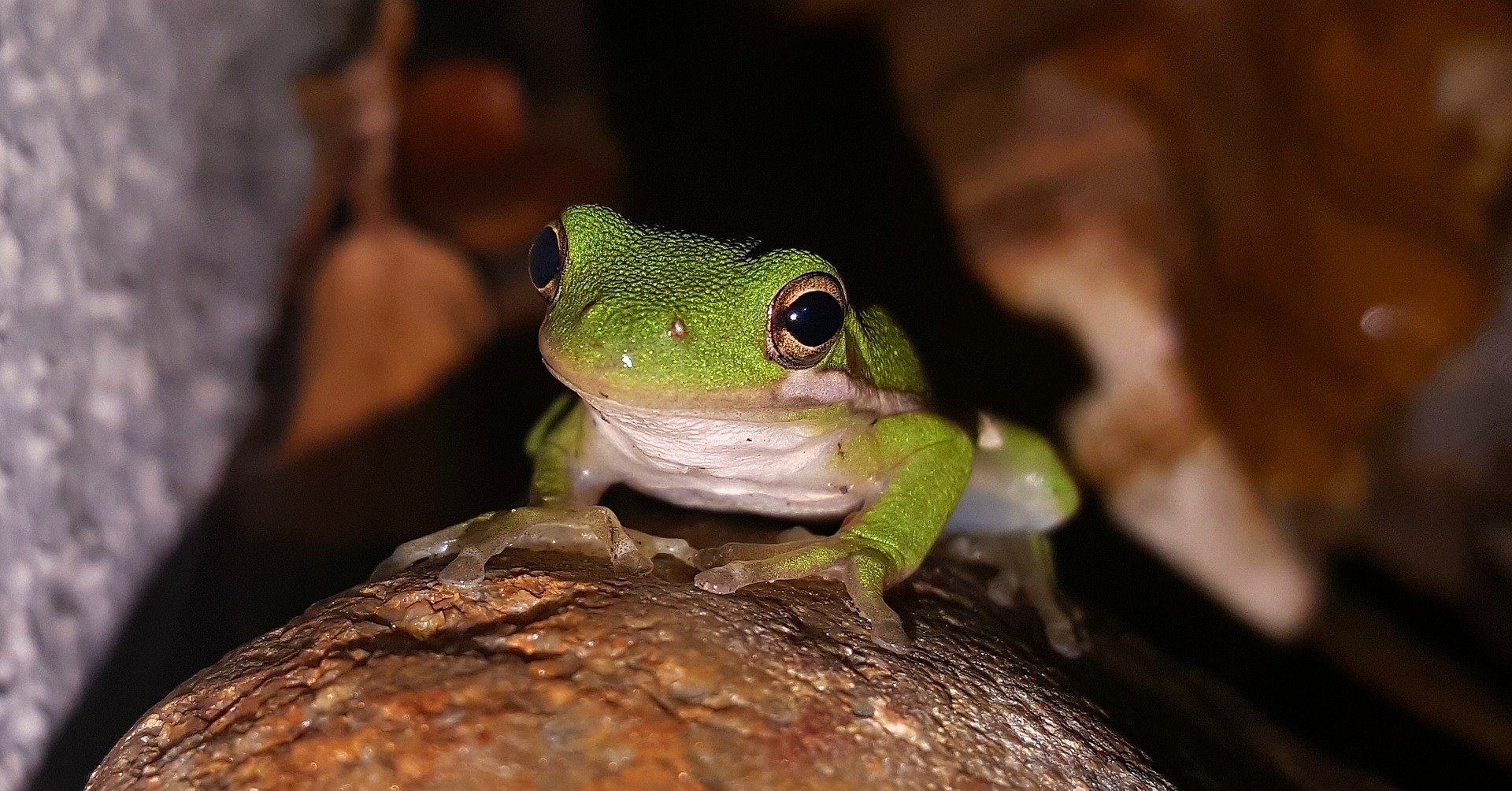
Today, we have already implemented area-specific solutions tailored to tree frogs, garden dormouses, ashy furrow bees, amphibians, lizard orchids and bee orchids, brown hairstreaks ...
How are the criteria of the objective met?
For each site, Aquafin wrote out guidelines for biodiversity management of the site, which are included in a framework contract for green space management.
The interventions are all nature-based solutions that strengthen, maintain or restore biodiversity value. We focus on both fauna and flora.
What are the benefits of the project ?
Our plants are not accessible to third parties for security reasons, so the experience of nature is mainly a prerogative of our own employees and visitors. Collaboration with and advice from external stakeholders is important to achieve the best outcome for this project.
Aquafin believes that it is important to showcase that industrial sites can also be developed in a biodiverse way. Focusing on biodiversity is part of our corporate social responsibility.