About Ecostrades
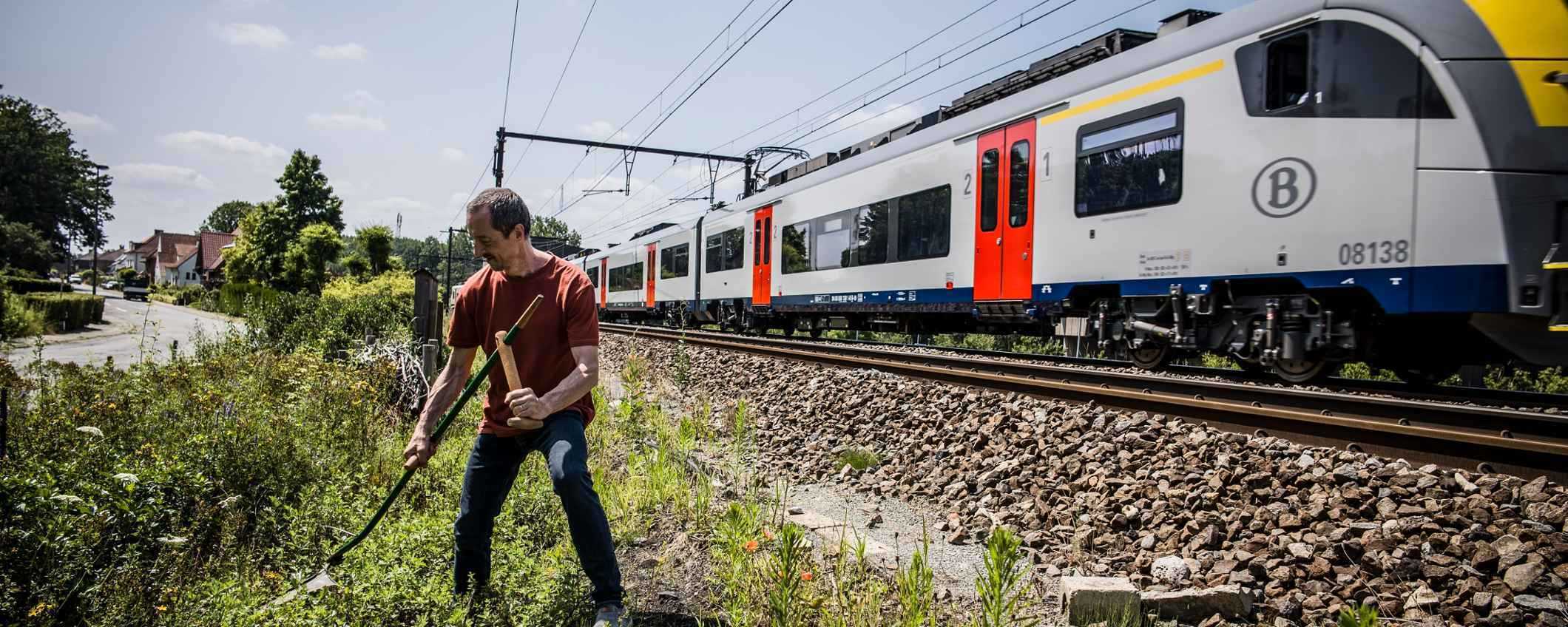
Ecostrades vzw wants to initiate active cooperation between neighbourhoods, associations, authorities and numerous social actors with a locally based action programme. From a Leuven citizens' initiative, the non-profit organisation wants to grow into a committed network that brings together various local and supra-local actors and provides a driver for projects on the ground. Our projects aim to locally anchor and broaden existing ecological measures by authorities and infrastructure managers by linking them to adjacent, often vacant land. Subcontracting the maintenance of such sites bottom-up to local communities creates strong, connecting projects in which we collaborate across sectors and policy levels.
Who is involved?
The non-profit organisation "Ecostrades" was established for the project with a social and ecological purpose. Ecostrades asbl connects and forms a network of local and supra-local actors, owners and managers, which supports, facilitates and communicates about the local projects.
We work with partners mainly:
- Local organisations and associations
- Knowledge institutions
- Governments at local, provincial, regional and federal level
- Companies
- Neighbourhood groups
- Foreign organisations (from Germany and from the Netherlands)
Contribution to the objective 'ecological connectivity'
The ecological goal of the non-profit association closes falls entirely within objective 5 of the Belgian Biodiversity Alliance, which is to promote the ecological management of line infrastructures, to link the infrastructures with ecological management in order to achieve the largest possible connected network of corridors in Belgium and abroad. Roadsides are very important for fauna and flora. So it is very important to manage line infrastructures well to promote biodiversity and ecosystem connectivity.
By launching local neighbourhood committees, under the guidance of appointed ecologists, Ecostrades individually screens each project for potentials and hazards and maps the information to feed back to partners such as Infrabel or local authorities. In this way, each project is optimised to maximise its value for the surrounding biodiversity.
How are the criteria met?
Concrete management measures applied everywhere are:
- No use of chemicals: this is important to maintain the biodiversity of optimise native plants, insects, birds and mammals in the landscape, but also to avoid pollution of watercourses. Amphibians and fish are sensitive to this. No exceptions will be made to this, including chemical control of invasive exotic species.
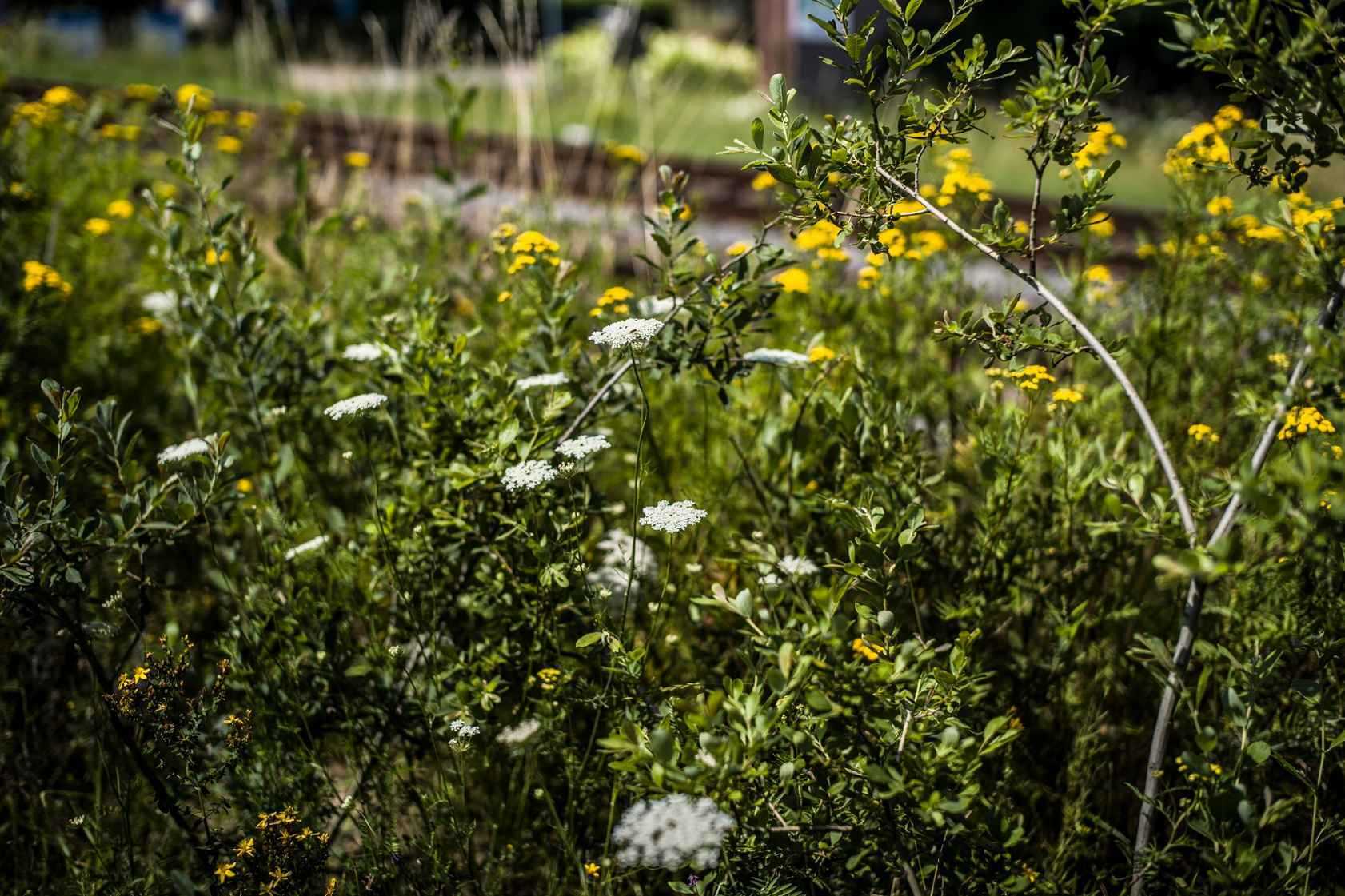
- On the basis of the preliminary study in which the current state of the soil is considered, spontaneous emergence of native plant species is chosen or the planting of some native plant species is recommended if it adds ecological value to the corridor. No alien or cultivated species will be used. In the presence of invasive exotic species, the situation is assessed and zero management may be chosen. There are invasive exotics that management works can accelerate their spread, making the result counterproductive.
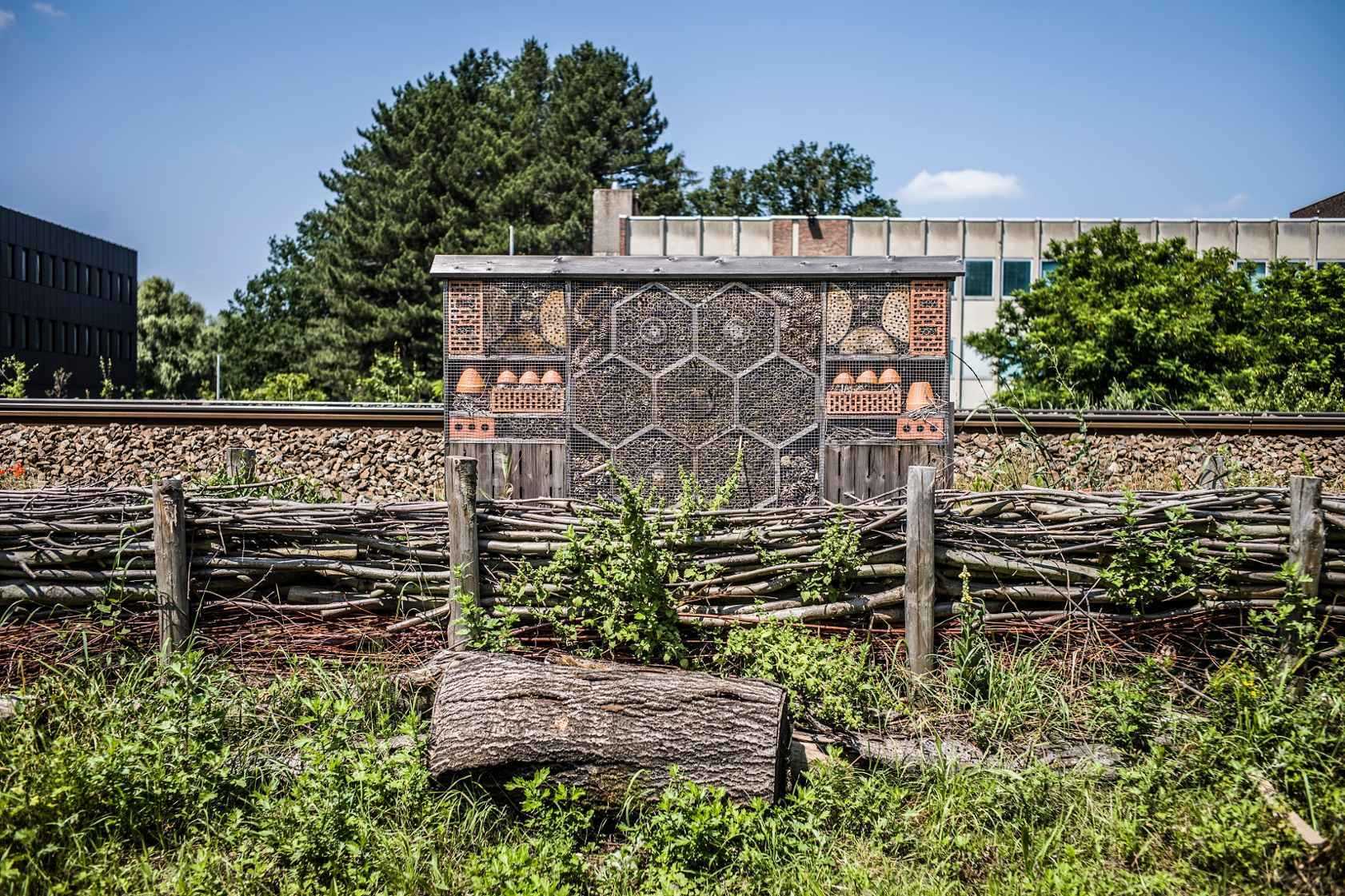
- Existing natural structures are preserved or restored through proper management.
- Based on background analysis and field observations, each plan is optimised for the environment in which the corridor is located to maximise its value. For example, the presence of native plants is promoted, providing a greater food supply for bees, wasps, butterflies, birds, mammals,...
- Ecological management is needed to maintain the function of the corridor. To this end, a management plan will be developed that is easy to implement and monitored annually. In this way, management can be adjusted if necessary.
Benefits
The aim of our non-profit organisation is twofold: to expand an area-wide, ecologically managed network in Belgium, and to introduce people to nature in a social context.We promote biodiversity through ecological management: there are many animal and plant species, which can live and move along line infrastructures. We seek to restore, protect and spread their habitat through connectivity with other green-blue zones.Our projects also provide nature for surrounding residents to enjoy. Healthy nature helps with water management, air quality, climate mitigation, etc... These are fundamental ecosystem services that we promote thanks to our biodiversity-friendly management.Furthermore, our initiative provides nature experiences for young and old in locations where this is not evident. In education, it is important to give children a feel for nature; current knowledge is generally low, leaving an ecological mindset behind. Educating children and adults is just as important as applying ecological management, as this can raise awareness of the human impact on nature.
More info on the project can be found on the website: https://www.ecostrades.be/
Ecostrades on Youtube: